
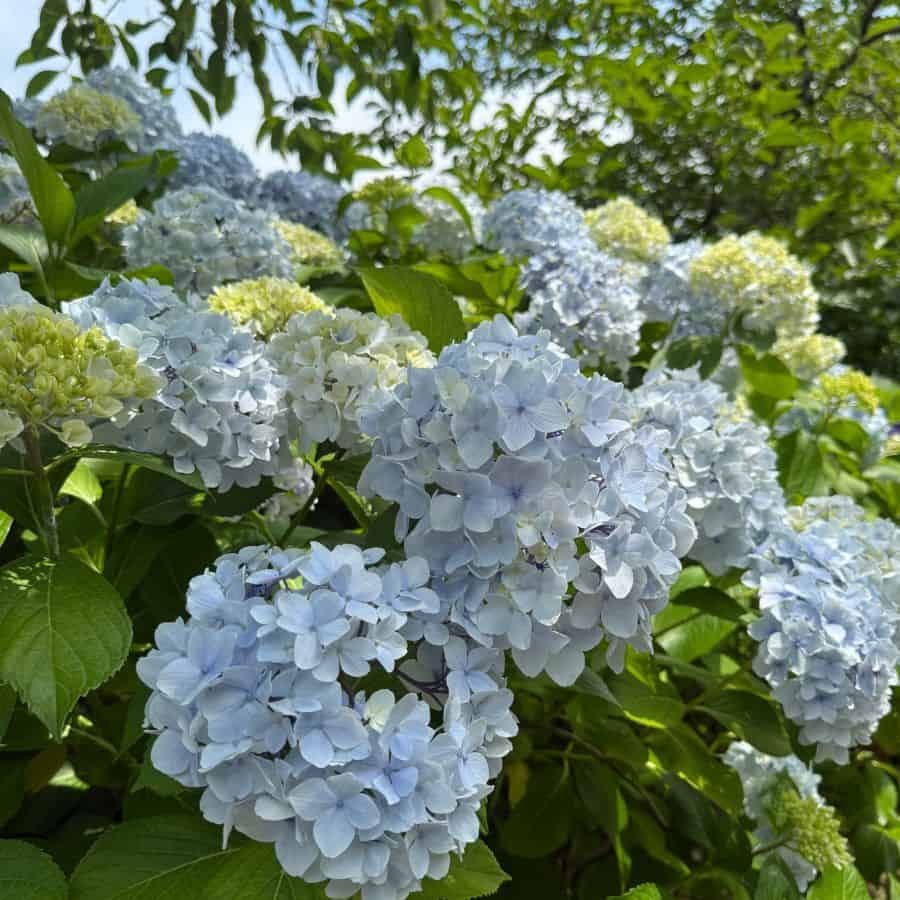
March is here, plant parents. Your hydrangeas are waking up from winter. Some looking great, some a bit worse for wear. What you do in the next few weeks will make a big difference in how they bloom this summer.
I was surprised to learn that just 6 simple March tasks can help you get from sparse blooms to a full, healthy hydrangea display. Let’s get into it.
Winter Damage Check: Your Hydrangea’s SOS Signals
Take a look at your hydrangeas now to see how they handled winter. Those broken stems and crumbling foliage need attention.
Despite their reputation for being tough, these plants can take a beating during the coldest months.

Grab your pruners and inspect each plant carefully. Look for:
• Brittle, blackened stems (these are dead)
• Cracked or split branches (these can get infected)
• Dead, papery foliage (this is normal, but needs cleaning)
Think of this as triage. The quicker you assess the damage, the faster your plants can redirect energy to healthy growth.
This quick check can also prevent those frustrating dead spots in your summer garden.
The Pruning Paradox: Cut Now or Forever Hold Your Shears
The most important thing about hydrangeas isn’t what you think. It’s knowing when NOT to prune. This simple distinction is what separates new gardeners from experienced ones with beautiful blooms.
Forget what you’ve heard about “pruning all hydrangeas in March.” That’s a recipe for bloomless disaster. Here’s what actually matters:
• Smooth (Hydrangea arborescens) & Panicle (H. paniculata): Prune now. These bloom on new wood, so cutting them back in March actually helps them flower more.
• Bigleaf (H. macrophylla) & Oakleaf (H. quercifolia): Don’t touch them. These bloom on old wood. Cut them now, and you’ll literally be cutting off this year’s flowers.
According to the American Hydrangea Society, improper pruning timing is responsible for over 80% of disappointing hydrangea blooms. Most hydrangea “blooming problems” are simply timing mistakes.
Spring Cleaning: The 15-Minute Task That Prevents Disaster
Here’s a common mistake: leaving winter’s debris around your hydrangeas. That debris becomes a breeding ground for pests and disease. Your plants need spring cleaning, too.
Take 15 minutes (seriously, time yourself) to:
• Clear old leaves, twigs, and debris from around the base
• Remove winter mulch that might be suffocating new growth
• Add a thin layer of fresh compost for a nutrient boost
This quick cleanup gives your hydrangeas a fresh start, removing old problems so they can focus on new growth. Your plants will be healthier all season long.
Fertilizer Secrets: The Kitchen Scraps That Create Magic
Your kitchen trash might actually be better than expensive hydrangea fertilizers. While a balanced 10-10-10 commercial fertilizer works well, your hydrangeas can do great with these household items:
• Coffee grounds: These slightly acidic grounds help create those pretty blue blooms.
• Eggshells: Crushed and sprinkled around plants, they release calcium slowly and can help shift flower color to pink.
• Banana peels: Bury them near the roots for a potassium boost that strengthens stems and enhances flowering.
• Epsom salt: A tablespoon dissolved in a gallon of water makes leaves green and healthy.

Apply your chosen fertilizer now, while plants are just waking up, for maximum benefit through the growing season. Think of it as breakfast for your hydrangeas after their long winter nap.
Watering Wisdom: The Hydration Strategy That Prevents Wilting Drama
Hydrangeas are dramatic about water. These moisture-loving plants can’t handle drought. Their very name, “hydrangea,” comes from Greek words meaning “water vessel.”
For good summer blooms, start proper watering now:
• Deep water once weekly (more if your March is unusually dry)
• Apply water at the base, not on foliage (reduces disease risk)
• Water in the morning to prevent overnight moisture (which invites fungi)
Here’s the thing: hydrangeas that struggle with moisture now will produce smaller, less impressive blooms later, even if you correct the problem. Consistency matters.
Frost Protection: Your Bloom Insurance Policy
Just when your hydrangeas start to trust spring’s warmth, a late frost can strike, destroying tender new growth and emerging buds. Don’t let Mother Nature’s mood swings ruin your flowering plans.

Keep these frost protection tools ready through April:
• Burlap sheets or frost cloth (NOT plastic) for overnight covering
• Fresh mulch (3-4 inches) to stabilize root temperatures
• Watering before an expected frost (moist soil holds heat better)
Think of frost protection like insurance—you hope you never need it, but you’ll be grateful to have it when unexpected cold snaps threaten your garden.
Your March Hydrangea Action Plan
The difference between new and experienced plant parents is taking consistent action at the right time. March is your hydrangea opportunity window.
Miss it, and you’ll be watching your neighbor’s beautiful blooms with envy all summer long.
Start with damage assessment, make the right pruning decisions for your specific varieties, clean up their growing area, feed them well, establish consistent watering, and prepare for late frosts.
Your reward? Hydrangeas that don’t just survive. They’ll transform your garden into a showcase of healthy, eye-catching blooms.
These plants are resilient, but they do better with thoughtful care. Give them these six simple attentions now, and they’ll reward you with months of beautiful flowers.
