
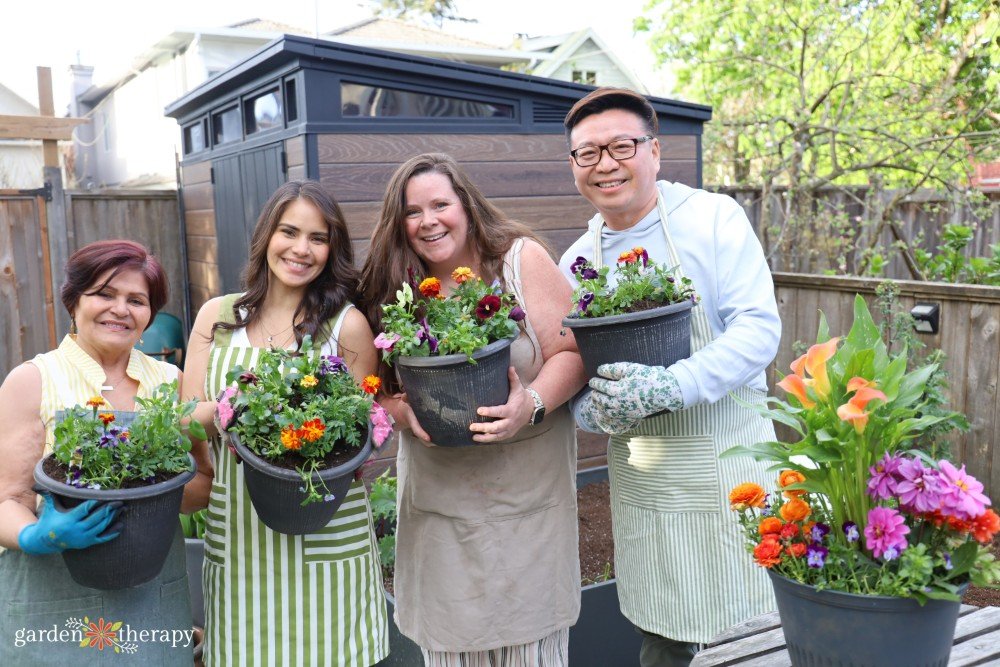
Without a doubt, community is invaluable. But in this day and age, you have to build it. Luckily, you have a community just waiting to come together right in your neighbourhood. This actionable 10-step plan will help you build a meaningful community right in your own backyard.
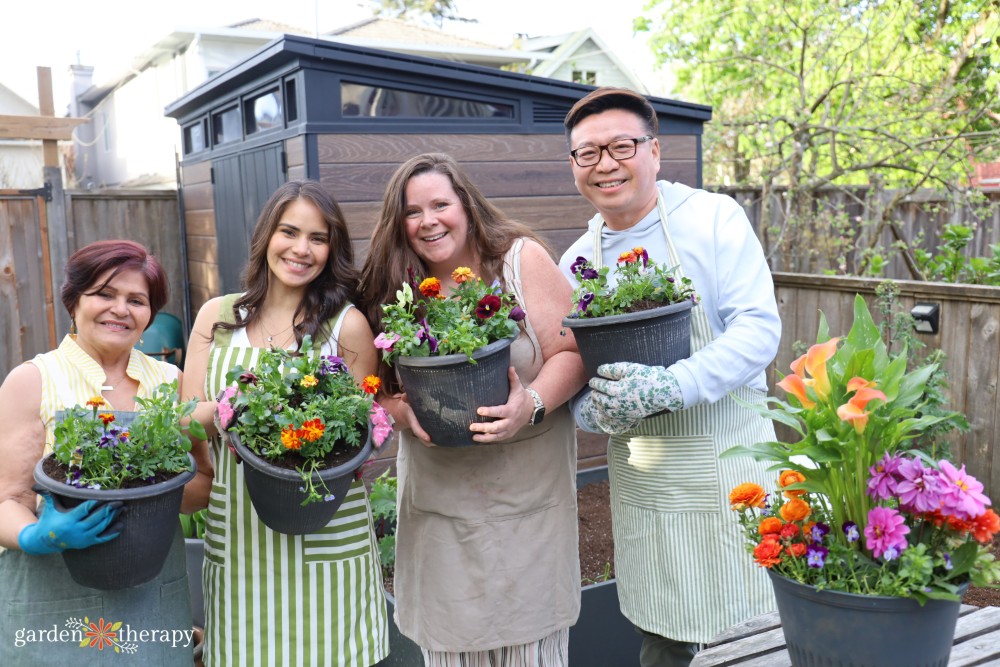
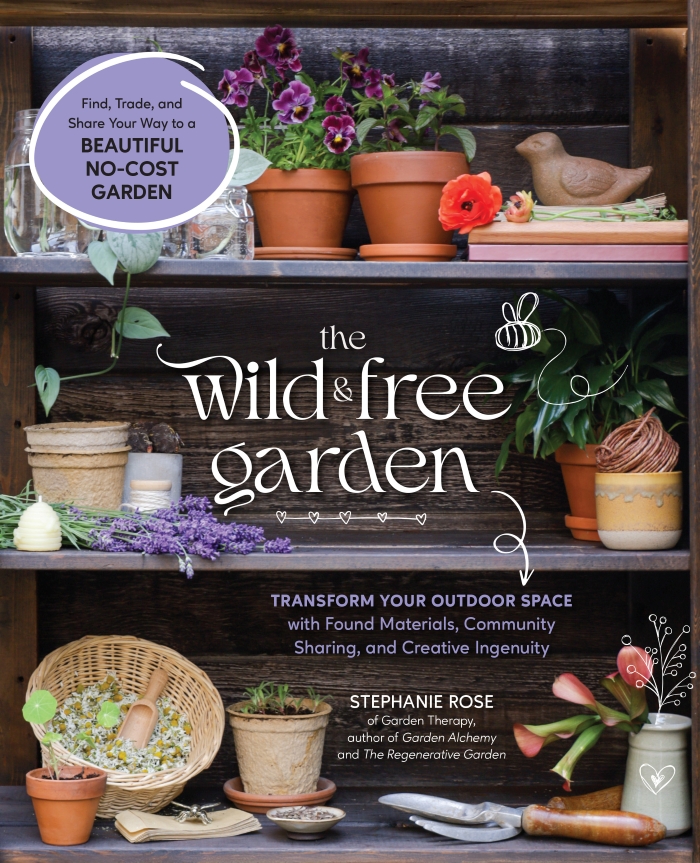
When writing The Wild & Free Garden, I wanted it to be so much more than a book about using found materials to create a thrifty garden. Because in the process of foraging, hunting, and gathering for these materials, something much larger happens.
You become engaged with your community.
You’re shopping local rather than buying online. You’re engaging in your neighbourhood’s sharing economy. You’re reaching out for help trying to source some free plant cuttings or scrap wood to build your raised bed. All of this helps you to meet and connect with people.
So I consider The Wild & Free Garden a gardener’s guide to building community as much as it is a book about repurposing and closing the consumption loop.
Today, I want to share another, very direct approach for how to build community. Graham McBain is the creator of HeyNeighbor, an Instagram account on a mission to transform 10,000 neighbourhoods into communities. He’s created a 10-step framework (which I’ll share with you today) and hosts a free virtual class every Friday.
What I love most about Graham and HeyNeighbor is that it’s one simple message and framework. He’s not trying to sell anything, but just genuinely wants to help others build their own community as he has.
“After turning my neighbourhood into a community, I saw how powerful it was, and how much it changed my life and the lives of everyone in the neighbourhood,” says Graham.
“It became so apparent how much people needed this, because friends started trying to move into our neighbourhood to be part of it. I looked to see if anybody else was teaching this information, and I couldn’t find it. So, I figured, why not me, and started making videos.”
I love the work Graham’s doing to help end this loneliness epidemic that many face. And so, I’m happy to feature his framework and messaging in today’s post.
The HeyNeighbor 10 Step Plan
Every Friday, Graham hosts a free community-building class where he documents a ten-step framework for you to turn your neighbourhood into a community.
“I think a lot of people want to live in neighborhoods where they know everybody, but there’s no framework for how to do it, and so that’s why I created my 10-step plan. I think that’s helped a lot of people,” says Graham. “I know it’s helped a lot of people go from desire to action.”
Below is a general outline of his 10-step framework for you to get inspired. However, I highly recommend that you check out his weekly class to truly get all the tips and tricks for how to foster a community.
Step 1: Define Your Neighbourhood
Start by choosing your neighbourhood size. Set the parameters for how large you want your “neighbourhood” to be. Graham recommends starting with 200 homes or fewer. “Too big feels overwhelming and impersonal. Too small can feel limiting and exclusive,” says Graham.
Your neighbourhood will often have natural boundaries, which make it easier. My current neighbourhood group chat spans just two street blocks, and it has over forty people in it.
Step 2: Be Friendly and Vulnerable
The next is arguably the most intimidating. You’re going to knock on some doors and invite people to a neighbourhood event. It’s single-handedly the best way to reach your neighbours. And no, an event poster on the telephone poll or mailbox won’t cut it!
Be vulnerable, explaining the reason why you’re interested in creating a community. Take it one step further by trying to engage in meaningful conversation, so the conversation feels natural. Drop off a flyer with all the event information.
“The biggest obstacle that most people have to overcome is the fear of being rejected, the fear of looking silly, and the fear of being brave and knocking on a door to ask people to be your friend. It’s a very uncomfortable thing,” says Graham.
You may be lucky in that there are already connections within the community that you can build on. In my first neighbourhood, I met my back alley neighbours during a garage sale. We bought their mismatched vintage dishes (which I still use today), and they bought our cheese grater. From there, I started to get to know the other neighbours and became closer to those who lived on our street.
Step 3: Host Your Event
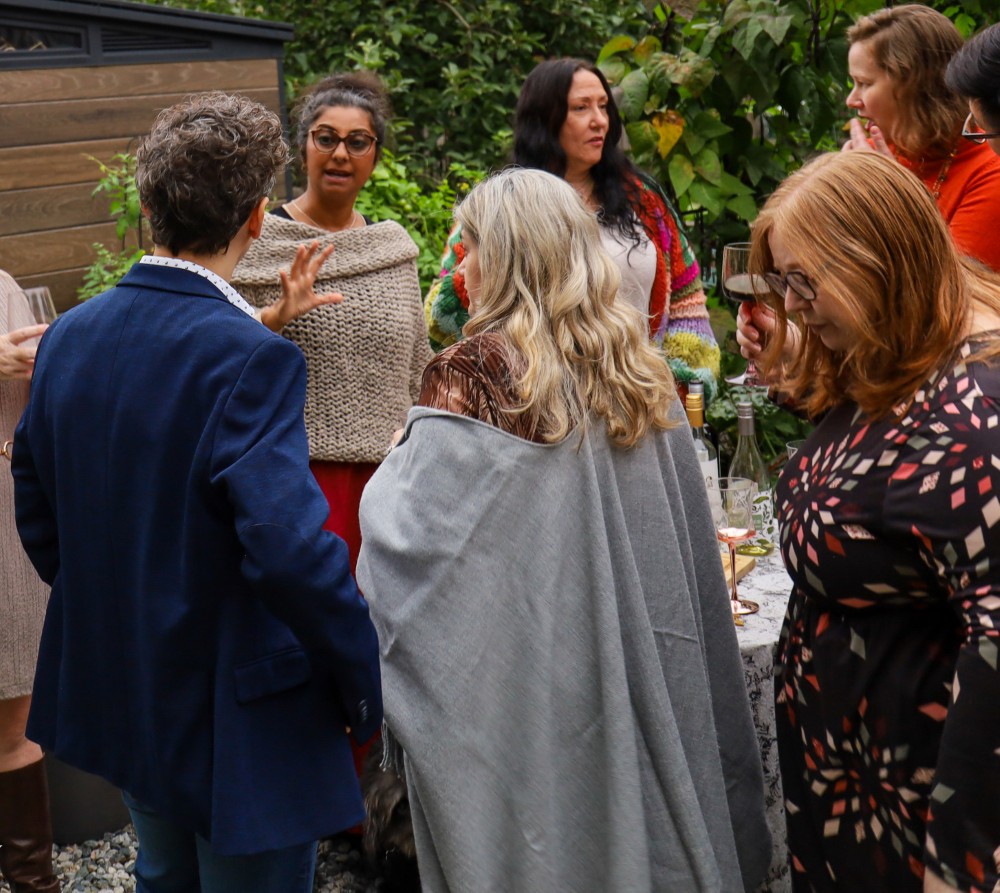
Host your first event! Make sure to keep the stakes of the event low and on neutral ground. Avoid hosting in houses for your first event so that people feel comfortable. Make the event casual and approachable, like front yard coffee or happy hour.
Choose times that work for most people and avoid elaborate planning. It should be easy to stop by.
Step 4: Make One-on-One Connections
During the event, make an effort to talk to everyone. Chances are, you’ll find at least one person that you genuinely connect with.
“Look for people who linger after others leave, who ask thoughtful questions about future events, or who volunteer to help clean up. These are often the community-minded individuals who will become your co-conspirators in creating something special,” says Graham.
When you’ve identified your one person, ask them to help plan the next event or simply to grab coffee. You’re going to change your community venture into a shared vision rather than a solo mission.
Step 5: Create a Virtual Hub
During your event, try to gather everyone’s contact info to make it simpler to organize your next meeting and maintain these new connections. From this info, you can create a virtual hub that allows everyone to easily communicate. Depending on what your community is like, this can be a WhatsApp group, a Facebook Group, or some other messaging tool.
My community uses a WhatsApp group chat. In it, we organize events but also share musings on what’s happening in the neighbourhood, some items we’re giving away or looking for, share our child’s fundraiser, etc. It makes it super simple to connect.
Step 6: Host Recurring Events
Keep the momentum going! Make events an ongoing practice in your neighbourhood. Choose something that not only do you like planning, but that others in your community would also like to take part in. This can include monthly happy hours, seasonal potlucks, outdoor movie nights, and more.
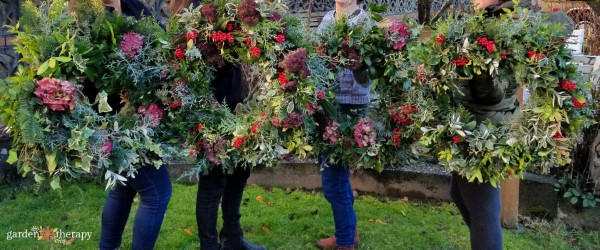
To this day, I still stop by the annual events in my old neighbourhood. It’s been fifteen years since I lived in my first home, but I still participate in the yearly Christmas wreath-making afternoon. And from my second house, where I no longer live, I just went to the annual cookie exchange.
Bonus tip: Look for community grants. Many communities will have small neighbourhood grant programs to provide funding for small events like block parties, skill-sharing workshops, neighbourhood beautification projects, etc. In their eyes, a connected community will work to keep it beautiful, safe, and more comfortable for residents.
Last-minute events work too! “Last night we got a text that one neighbor set up a projector to watch the playoff games, and a few families were over there hanging out around a fire pit. It was less than 30 minutes from invitation to hang out, which I feel like is pretty impossible in our modern society,” says Graham.
Step 7: Organize Annual Planning Parties
After a few events, people will really start to feel engaged. Having a planning party will help encourage others to get involved in planning activities and allow everyone to be on the same page.
“When people have input into the calendar and ownership of specific events, engagement increases dramatically,” says Graham. “The planning party itself becomes a cherished tradition that reinforces relationships and shared vision.”
At this point, your community is slowly turning into a well-oiled machine. Here’s how to keep the momentum going:
- Step 8: Give Out Micro-Roles. People may not want to lead events, but they may want to help in other ways. Distribute as much work as you can to help others feel a sense of ownership.
- Step 9: Welcome New Neighbours. One of those roles could be the welcome committee! I was lucky in that my current neighbourhood already had many connections, and someone came and knocked on my door to welcome me to the neighbourhood. It makes things much less intimidating as a newcomer.
- Step 10: Live It Up & Spread the Word. Always remember why it is that you started this in the first place. Enjoy the community you’ve created and share with others how they can do the same in their own neighbourhood.
“The biggest benefit is just how content I am in my social life,” says Graham. “I used to have a lot of low-level anxiety around having friends and having a community for a kid to live in. But now my cup is very full all the time. Different things happen almost every day that remind me how lucky I am.”
Thanks again to Graham for generously sharing his HeyNeighbor framework with us! Be sure to register for his next free class to learn more about how you can do the same in your neighbourhood.

A city girl who learned to garden and it changed everything. Author, artist, Master Gardener. Better living through plants.
