
As we’ve already seen in other conflicts, like the ongoing war in Ukraine and the recent Red Sea crisis, aerial drones aren’t the only unmanned weapons that can can be deployed against enemies. Both Ukraine and the Houthi rebels in Yemen have used armed maritime drones — also known as armed USVs (unmanned/uncrewed surface vehicles) — to remotely attack ships at sea. In December, Ukraine said it had successfully conducted a strike on a Russian submarine with submersible drones, or UUVs (unmanned underwater vehicles) — the first-ever military strike using that kind of weapon.
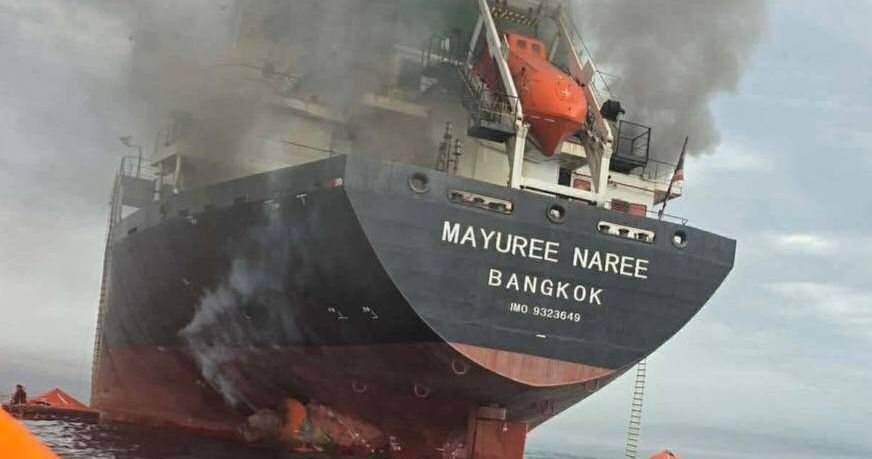
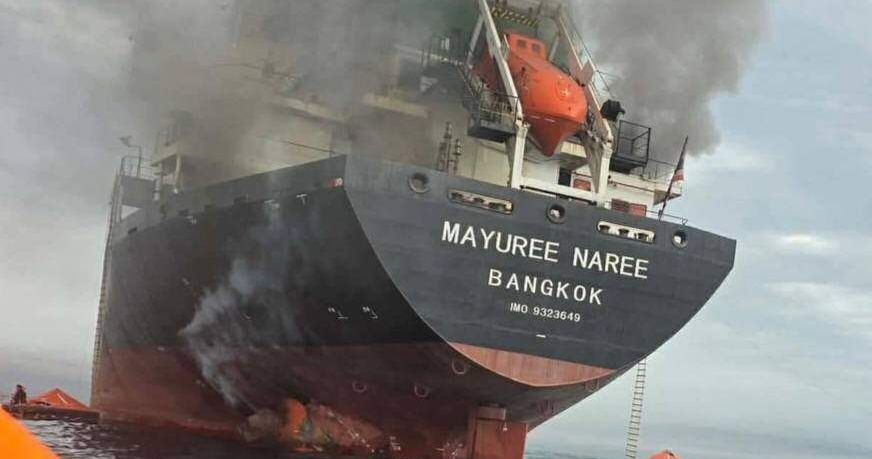
While Iran has reportedly been attempting to develop armed UUVs, it already has armed USVs. On March 1, the second day of the war, the Marshall Islands–flagged oil tanker MKD VYOM caught fire after it was reportedly struck by an Iranian USV in the Gulf of Oman. The attack killed one crewmember and forced the other crew to evacuate the ship.
According to Covert Shores’s H.I. Sutton, an Iranian USV was also apparently used to attack the tanker Sonangol Namibe off the coast of Kuwait on March 5. And it appears that a USV was also used to strike the oil tankers Safesea Vishnu and Zefyros off the coast of Iraq on March 12. Sutton also reviewed a video released by Iran in early 2025 showing a large numbers of small Iranian boats in an underground base, including small speedboats which are likely USVs. Comments Sutton:
It is no surprise that Iran has explosive USVs, it supplied this technology to the Houthi Movement in Yemen, yet its own types have been elusive. The design witnessed is a small interceptor-boat with twin outboard motors, and a fixed mast behind a small cockpit aft. This suggests that, like the Houthi’s ‘blowfish’, it can be crewed for part of its mission. It is likely that it will be commanded from another boat during the attack. USVs represent a much greater threat to merchant vessels than many of Iran’s crewed ‘mosquito fleet’ boats.
