
Anifa Mvuemba’s fashion label Hanifa seemed to be on an upward trajectory. It received celebrity endorsement from the likes of Savannah James, Ashley Graham, Quinta Brunson, Megan Thee Stallion, Gabrielle Union and Bella Hadid; it garnered lots of industry attention, including being named as a finalist in the 2021 CFDA/Vogue Fashion Fund; and it had a loyal consumer fanbase, as proven by the multiple sold-out drops.
Yet in March, Mvuemba announced that she’s pausing the brand’s production indefinitely. The label became a victim of manufacturing delays, late shipping and disgruntled customers. “Right now, I’m reflecting. I’m protecting what matters to me in this season. And I’m allowing myself to be human in the process. I don’t know exactly what the future of Hanifa looks like at this very moment. And for the first time in 14 years, I’m okay with saying that out loud,” Mvuemba told The Cut. Hanifa’s fate reveals the uncomfortable truth that sometimes, business momentum can be a brand’s downfall.
It’s not the only fashion business facing production troubles: Two days after Mvuemba’s announcement, British-Jamaican designer Martine Rose shared she’s canceling the production of her Fall 2026 collection due to unforeseen circumstances.
“Usually when something like that happens, there has to be, I would have to assume, an interruption in the supply chain somewhere,” Phyllis Sevachko, lead production manager & project manager of brand development company Stateless, explains to Fashionista. High material costs, limited factory space and low cash flow are the main factors that contribute to the issue, she says.
The reality is, in fashion, rapid support can be a double-edged sword: It can keep a business running, and also expose its weak spots. Without the proper infrastructure — manufacturing relationships, cash flow, inventory management — the more momentum a label gains, the more susceptible it is to failure.
It begs the question: What can brands do to avoid this fate? Ahead, industry experts reveal how brands can set themselves up to scale sustainably.
Photo: Daniel Ceng/Anadolu via Getty Images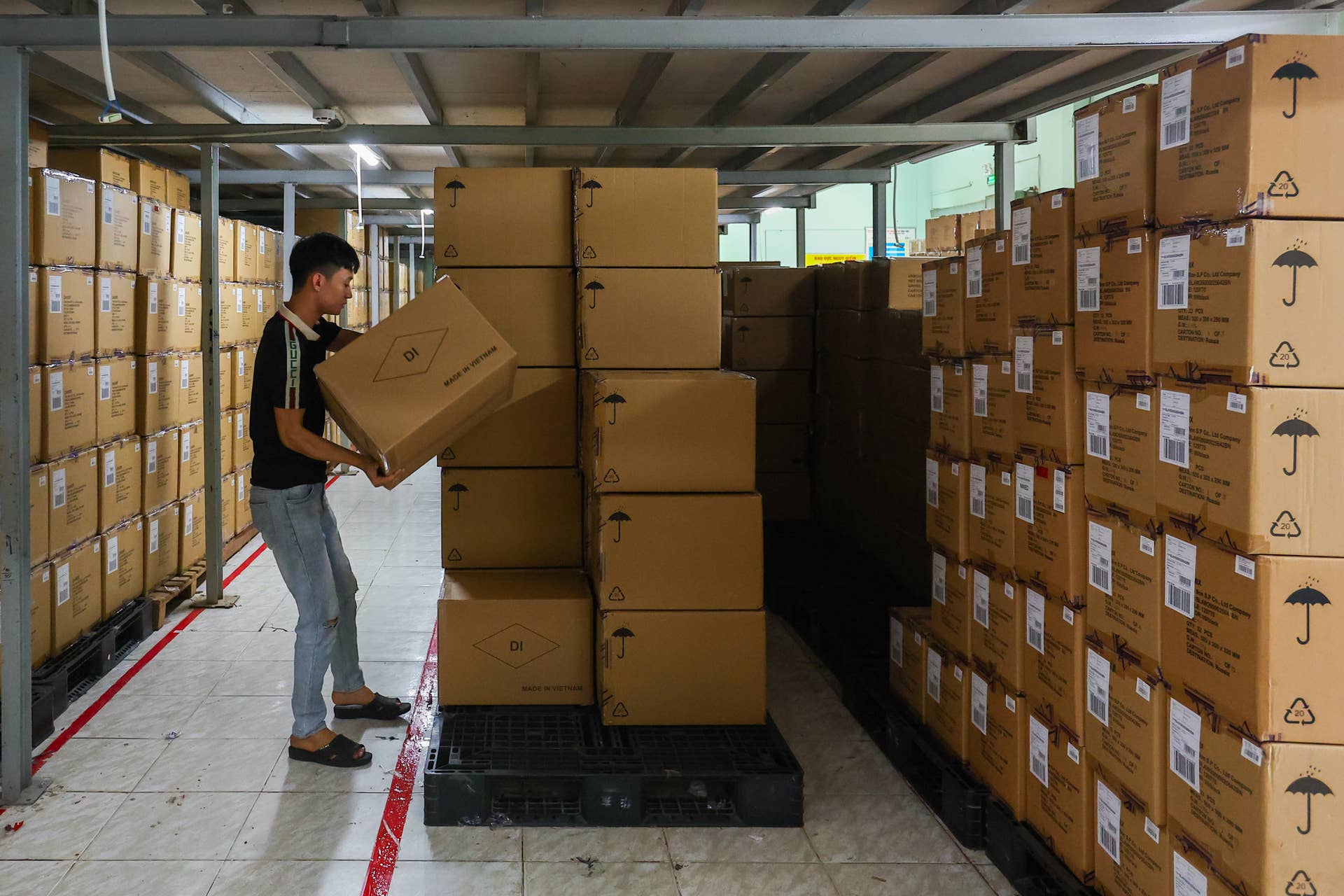
Find the Right Factory
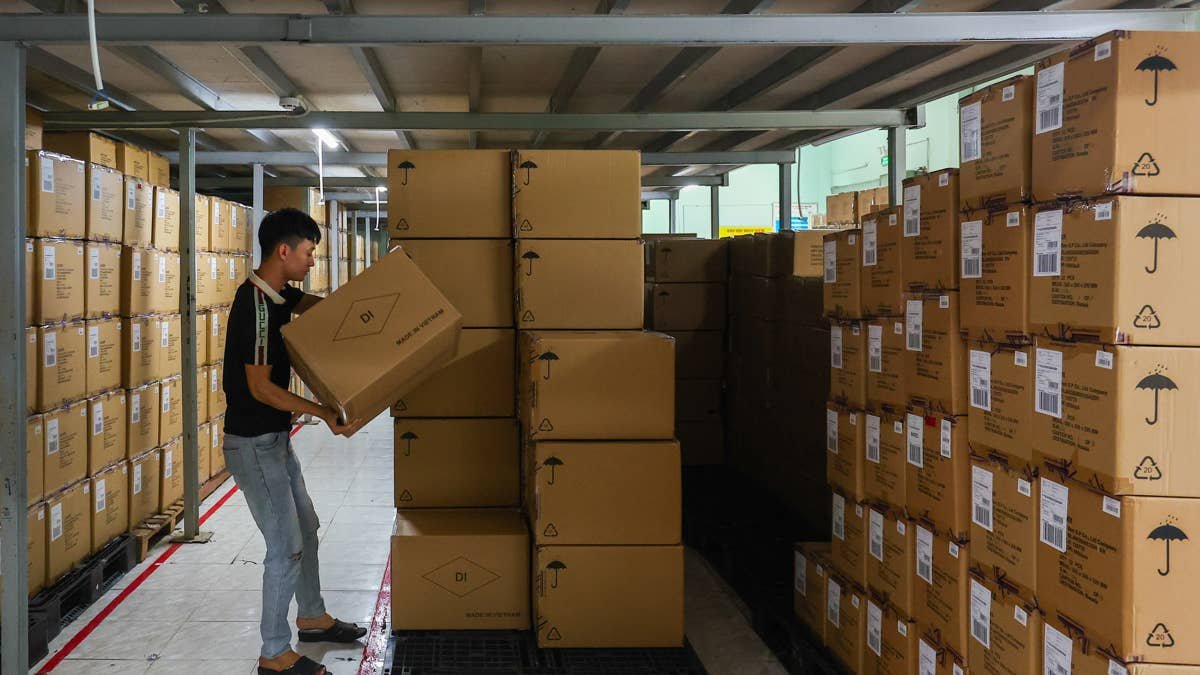
It’s crucial for brand founders to build strong relationships with their manufacturers. That bond can influence how much flexibility a factory gives a client, such as prioritizing a quick production turnaround or taking on a higher volume of purchase orders.
“Brands need to have those relationships in place,” Sevachko says. “That’s something I emphasize with the brands that we’re working with, and it takes time to build a rapport with them.”
Selkie founder Kimberley Gordon can personally attest to this: In 2021, Selkie’s Puff Dress went viral on TikTok, leading to a product that was consistently sold out as Gordon scrambled to keep up with demand. “It just exploded,” she reflects. “I just could not keep this dress in stock. I’d made these bulk orders and I would have to sell it on pre-order because I couldn’t make enough to keep up with the demand.”
It took months for her and her team to finally get a handle on the situation, which she says wouldn’t have been possible without a good relationship with her factory. “One of Selkie’s success drivers is the fact that I have such a good factory and we’re so close,” Gordon says. “Factory alignment is crucial for a startup. […] They control how much you can make. You can’t just put in random orders. They handle multiple brands and have to calendar you in.”
That alignment can heavily depend on physical proximity. Sevachko points out that, in domestic factories, clients can benefit from face-to-face interaction and a hands-on approach. Conversely, overseas factories are more distant, both literally and figuratively, and likely to prioritize brands with larger orders. That leaves emerging brands in a vulnerable position, increasing their likelihood of production delays.
“Sometimes [overseas factories] aren’t even willing to work with smaller emerging brands, or it’s just not a priority for them to prioritize those orders,” Sevachko explains. “So they end up taking longer to produce and the delays can stop a brand from hitting a certain mark, especially if it’s seasonal items, which can be really damaging.”
It’s why it’s essential for brands to diversify their supply chain as soon as they’re financially able to. “If something happens with the main or only factory you’re working with, now you’re left scrambling trying to build a last-minute relationship with someone new,” says Zapora Berry, owner of Stellar Fashion Consulting. “It’s important to have multiple vendors in place.”
Photos: Getty Images
Have a Financial Plan
Money rules the world — and it rules supply chains, too. When a brand can’t keep up with demand, it may not have the cash flow to fund additional inventory production. Businesses traditionally place orders six months in advance, meaning they spend significant money before receiving revenue.
“Factories do not generally give brands, especially small brands, credit. So they have to pay a percentage upfront, have the funding for that and then pay the balance upon delivery,” explains Gary Wassner, CEO of factoring and financing company Hilldun Corp. “The business of fashion is very cash-intensive.” Working with third-party retailers can complicate things further and lead to a six-to-eight-month wait for payment, he notes. (And that’s assuming the retailer isn’t facing its own financial troubles.)
Berry adds that many emerging and smaller brands can be outpriced by factories’ minimum order requirements. “The brand could be put out of business before they even start if they’re committing to these super high minimums and investing all their initial income into a first collection they don’t even know is going to sell,” she says.
Finance firms like Hilldun Corp help bridge this cash-flow gap by paying stores directly or lending against purchase orders, giving brands the breathing room to wait for revenue to come in. “It gives brands the opportunity to grow because they don’t need to wait for the store to pay,” Wassner says.
Still, it’s essential that brands have a well-thought-out financial plan that accounts for unexpected strains, including increases in demand. “A brand needs to consider economies of scale,” Sevachko says. “As you grow, what does that look like? And are you set up for that success? As you grow, more capital is needed to support that.”
Technology such as AI has made it easier for startups to track (and predict) their numbers. Gordon employs AI to help with inventory management: “I can use AI to predict a lot better how much I can sell,” she says. “The hardest thing about running a brand is inventory. Having too much of it puts you in a liability position.”
Photo: Chris J. Ratcliffe/Bloomberg via Getty Images
Determine the Right Production Model and Distribution Channels
Though it’s tempting for smaller or emerging brands to adopt traditional mass production models, that decision should be informed by brand size and budget. “Try to work slowly toward having enough supply,” Gordon says. “Don’t order 1,000 [units], even if you think you could sell that much. Start smaller and let it grow slowly.” Gordon recommends the pre-order model, especially for labels facing difficult production numbers. It’s how she was able to predict how long her Puff Dress would remain viral. “Pre-order allows you to see how many you can sell in real time,” she explains. It prevents brands from being stuck with unsold inventory.
While Berry agrees that pre-order is a practical step for many brands, it does come with limitations to consider. It can be a difficult model for emerging brands, since consumers often seek instant gratification, she says. “They don’t always want to wait, especially if it’s a brand that they’re not familiar with and the brand hasn’t built up that perceived value yet.” Other models that brand founders can explore include small-batch and made-to-order.
According to Wassner, solving the demand equation is not just about considering how product is made, but also where consumers have access to it. To that end, he strongly advocates for a diversified distribution channel. “Brands need to understand that cultivating specialty stores globally is critical because it’s those small stores that build a loyal following and will continue to purchase your brand season after season after season,” he emphasizes. “You can’t just sell one major department store. That’s very dangerous.”
When a brand relies solely on DTC, though it offers better margins, it can leave a founder in a tough position if they’re low on stock and there are no other channels for consumers to shop from.
All in all, the business of fashion is a tough one to navigate, and while there’s no way to guarantee success, there are safeguards brand founders can adopt to best prevent failure. Striking good relationships with (multiple!) vendors, sticking to a clear financial plan and knowing what production model works for the brand can set a business up well to accommodate strains and unplanned consumer interest.
“You’ve got to be able to pivot and react to it,” Sevachko says. “Watch your sales, watch your historical data, watch your inventory, watch everything. When demand peaks and you can’t manage it, it might require some outside help. But I consider that a good problem. You might need some outside resourcing, but that’s a good problem every brand would love to have.”
