
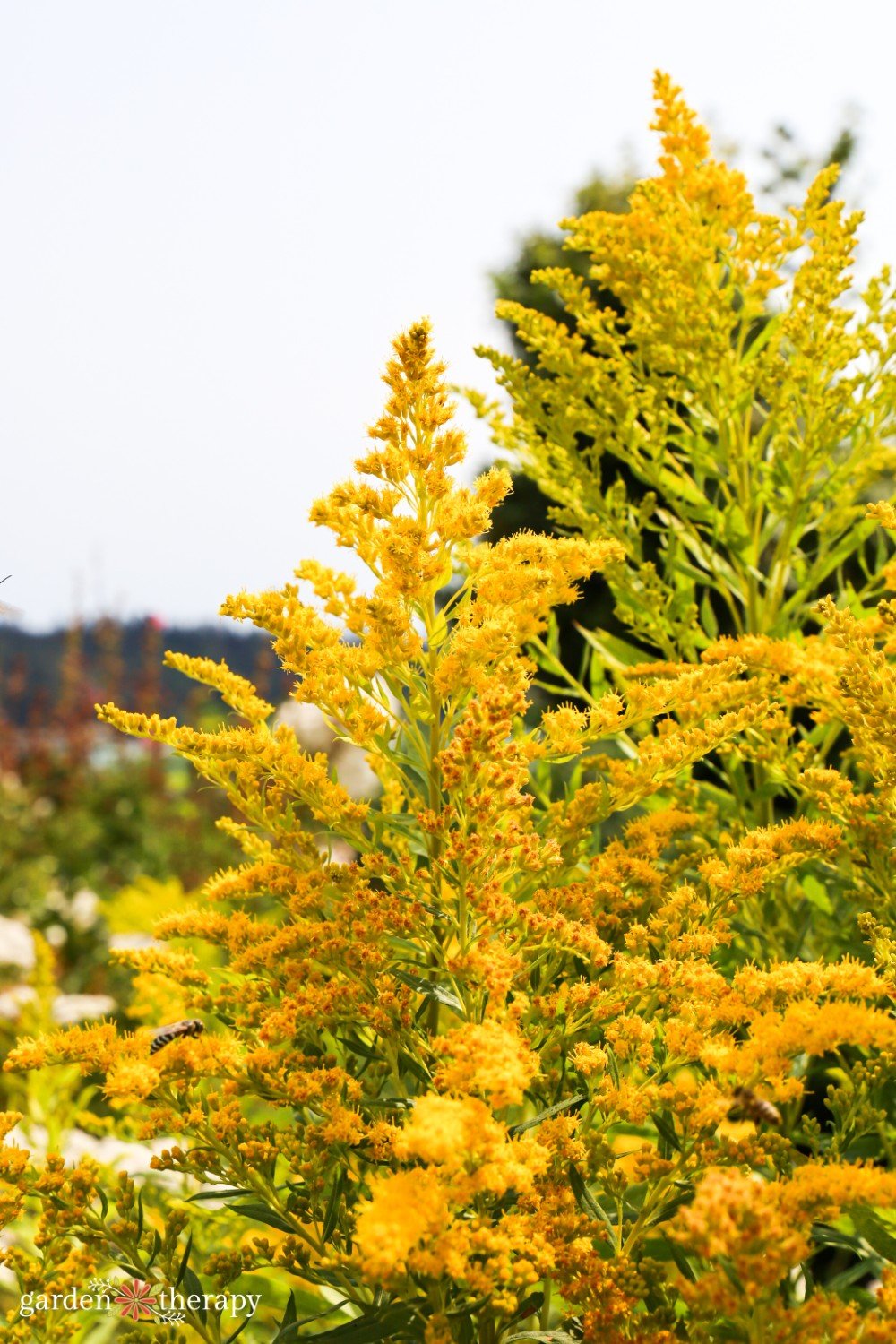
The native plant bandwagon is just getting started, but it’s easier said than done to find native plants at the garden centre. Rather than head to your local trail and dig out some plants, here’s how you can responsibly source and propagate native plants for your home garden.
We’re always told to plant native plants in the garden. I’m sure you’ve heard me say it to you a couple of times.
And it makes sense! Native plants have lower-maintenance needs and built-in resilience, they support local wildlife, AND they improve soil health. Sounds fantastic to me.
But how do you actually acquire these plants? Most garden centres have a small native plant selection and only provide based on demand. How do you know what to plant and what’s not actually good for your area?
If you’ve been told to plant native plants, here’s how to actually do it. I’ll show you how to responsibly source these plants, propagating methods, and some planting tips for native plants.
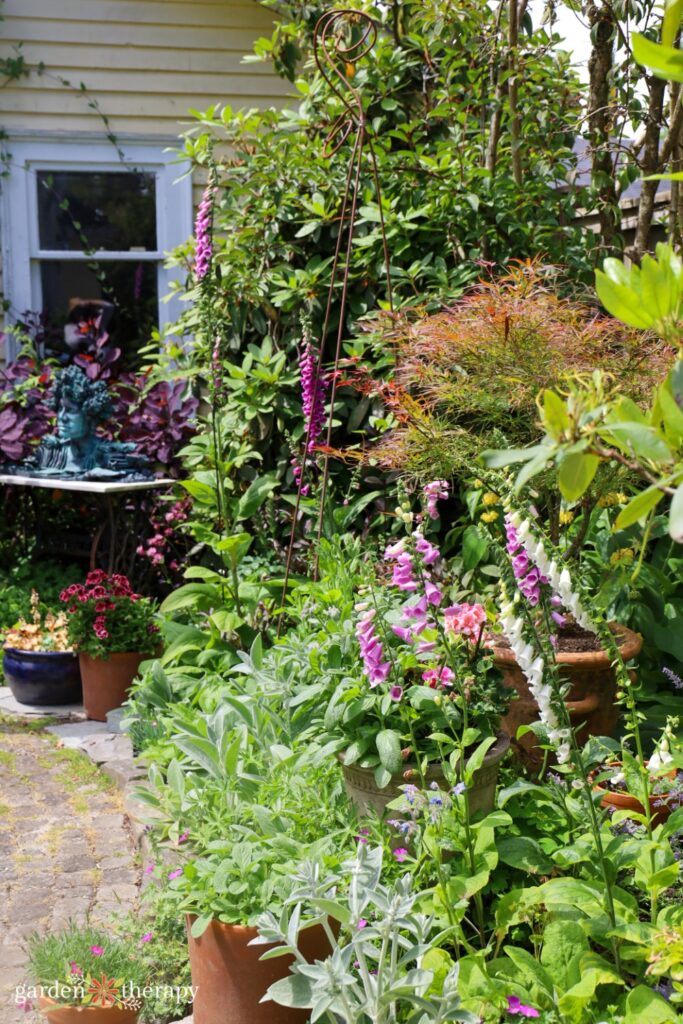
Responsibly Sourcing Native Plants
Collecting seeds, cutting, or dividing from wild plants in nature or public spaces might seem like the perfect way to get plants for free and support native species, but there are ethical and legal factors to consider.
Regulations vary widely around the world depending on land ownership, conservation status, and local laws. Some areas require permits, while others prohibit collection entirely. Always get permission when needed, and never take from rare or threatened species.
Unlike food foraging, where you take parts of the plant that naturally regenerate, such as fruit or leaves, taking cuttings, seeds, and divisions can affect a plant’s ability to reproduce and sustain its population if done improperly.
Collect only small amounts, spread out over time and space, and leave enough behind to support healthy ecosystems.
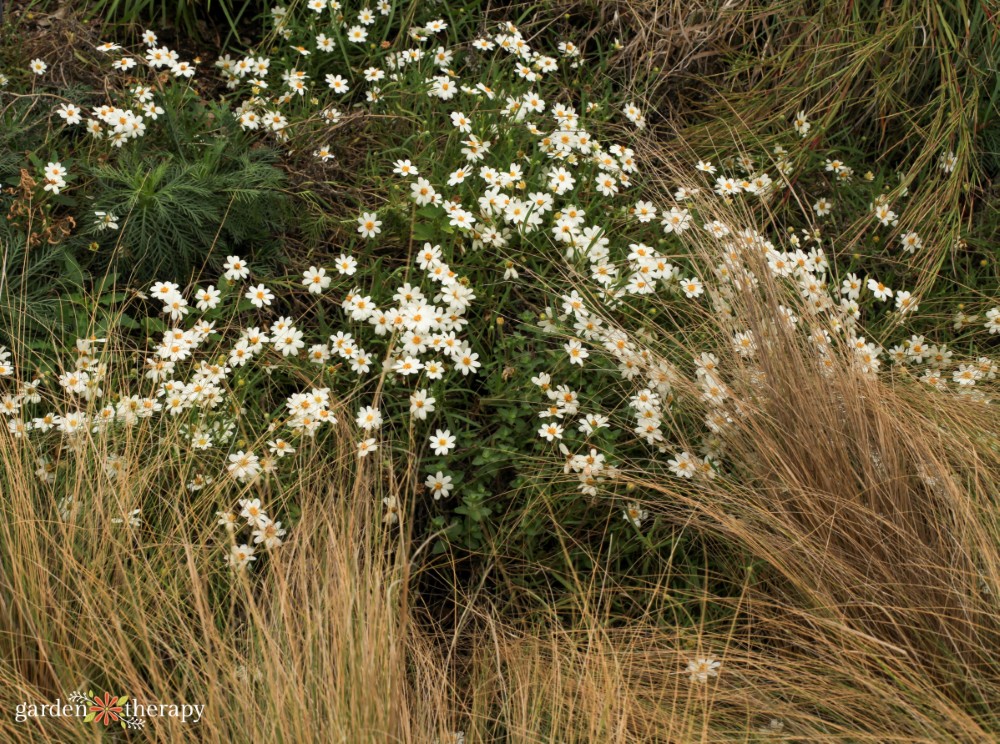
Invasive Species vs Native Plant
Native plant propagation requires deeper education because not every plant you find in the wild is actually a beneficial native species.
The common use of the word “weeds” is really about location. Anything growing where we don’t want it, we call a weed. But this doesn’t actually tell us whether the plant is actually beneficial or harmful to our local ecosystem.
Invasive plants are typically introduced species that proliferate and take over spaces. They threaten natural ecosystems by out-competing local species and can change soil and water conditions while disrupting natural habitats.
Removing invasives is important, but often difficult because they’re so prolific at reproducing themselves. When you’re propagating plants, make sure you can positively identify natives versus invasives by double-checking with invasive species databases online.
How to Source Native Plants
Most mainstream nurseries carry limited native species and sometimes even include invasives in their offerings. Shudder.
Seed variety is greater than potted plant options, and many natives actually prefer being started from seed because they can develop stronger root systems adapted to your specific soil conditions.
Besides garden centres, here are a few ways to source native plants responsibly:
- Seed swaps from local native plant groups offer free or low-cost seeds from local varieties, perfect for starting your propagation journey from scratch.
- Community restoration projects sometimes allow volunteers to take surplus plants after planting events, giving you established material for division.
- Wild spaces on your property likely contain native plants you can divide and relocate.
- Friends or neighbours with private properties might share plants for propagation, where you can divide them.
- Your own land’s seed bank can be accessed by removing turf grass to allow dormant native seeds to emerge. Seeds can remain viable in soil for 5, 10, or even 100 years until conditions support growth. Creating open garden spaces and being informed and intentional with weeding allows you to identify which plants are native versus invasive.
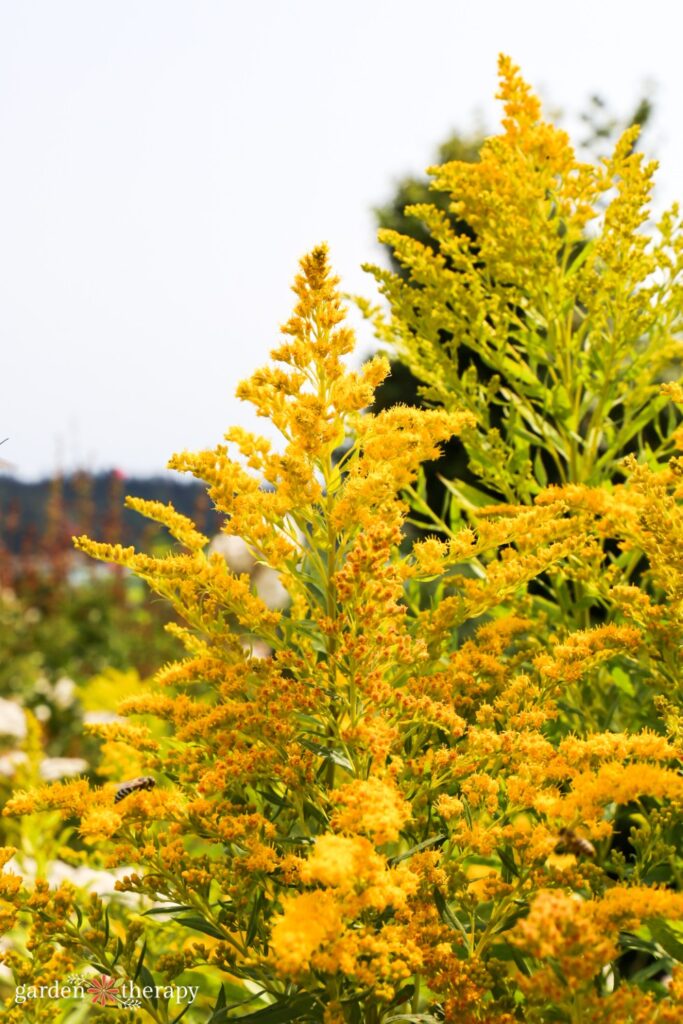
Propagating Native Plants
Native plants often respond differently to propagation than typical houseplants or garden varieties. So don’t worry if things take a little longer than expected. Depending on the plant, you can try propagating native plants through seeds, divisions, stem cuttings, and water propagation.
Seed Starting
If you’re looking for a specific plant, buying the seeds is often the easiest way to source them.
Many cool-climate natives need cold stratification (winter stimulation) before germinating. For this reason, sowing the seeds in the fall is often a good solution. Alternatively, you can place seeds in damp sand in the refrigerator for 30 to 90 days before planting.
While some native plants can be tricky to start from seed, most are very easy. Rather than tossing seeds in the soil, plant them in pots outside. This way, they’re more protected from being munched on by mice and birds. After all, native seeds are the best snack.
With native plants, you don’t have to fuss about them being outside for the spring. The seeds will emerge once they’re ready to handle the elements, including rain, snow, and frost. Just make sure they don’t dry out.
Division
Dividing plants is a great way to have mature plants immediately, and it’s something that can actually benefit the original plant, as division helps to maintain its health. Native clumping plants like wild ginger or native grasses divide best in early spring or fall, when they’re not actively growing.
To learn how to divide perennials, check out this post for step-by-step instructions.
Cuttings
Cuttings are one of my favourite ways to propagate plants because it’s so easy and so low-stakes. Take cuttings from native shrubs in late summer when growth has hardened off. For best success, they need a humid environment so they don’t dry out. They also need bright light to stay alive and grow new roots.
Use rooting hormone and be patient, because some natives can root more slowly than cultivated varieties. Provide support if needed to keep the plant upright. Once you give the plant a gentle tug and it resists, the plant has rooted.
For more tips on taking cuttings from shrubs, follow these instructions about hydrangea cuttings. While focused on hydrangeas, the same rules apply to most shrubs.
Water Propagation
Water propagation is very easy, and one of the most common methods for propagating houseplants. While not as common for native plants, it can work with a few, such as willow or elderberry. In water propagation, you take stem cuttings like above. Rather than put them in soil, you put them in water.
This is helpful because you can see when the plant has developed roots and don’t have to worry about your plant drying out.
Planting Native Plants
Once you have your little seedling ready to go into the garden, it’s time to plant! Like any other garden plant, each native plant will have its own specific soil conditions. But overall, they tend to be less fussy.
After planting, a native plant won’t require any additional fertilizer or even compost. But it’s nice to mix in some compost ahead of planting just to give them that boost.
I add a layer of fallen leaves as mulch in the winter to my garden beds, and I find that it is all my plants need as they take in the nutrients from the decomposing leaves.
The best time to plant native cuttings and potted seedlings is in early fall. You need the heat of the summer to be over, but also give them some time to settle in.
If you’ve reached summer and your seeds still haven’t germinated, don’t toss the pot yet. The seeds may have needed more time in the cold to bloom. When there’s space, let the seeds remain in the pots and leave them outside for another winter.
More Tips to Help You Get Started

From Vancouver, BC, Holly is Garden Therapy’s Content Manager. She has a BFA in Writing from the University of Victoria as well as a diploma in Floristry Design from Burnaby CCE. At home, she loves to grow cut flowers and dried flowers for her business, Dirty Daisy Florals, and is an avid houseplant collector and lover of bees. You can find her at @dirtydaisyflorals and @hollyheuversocial.
