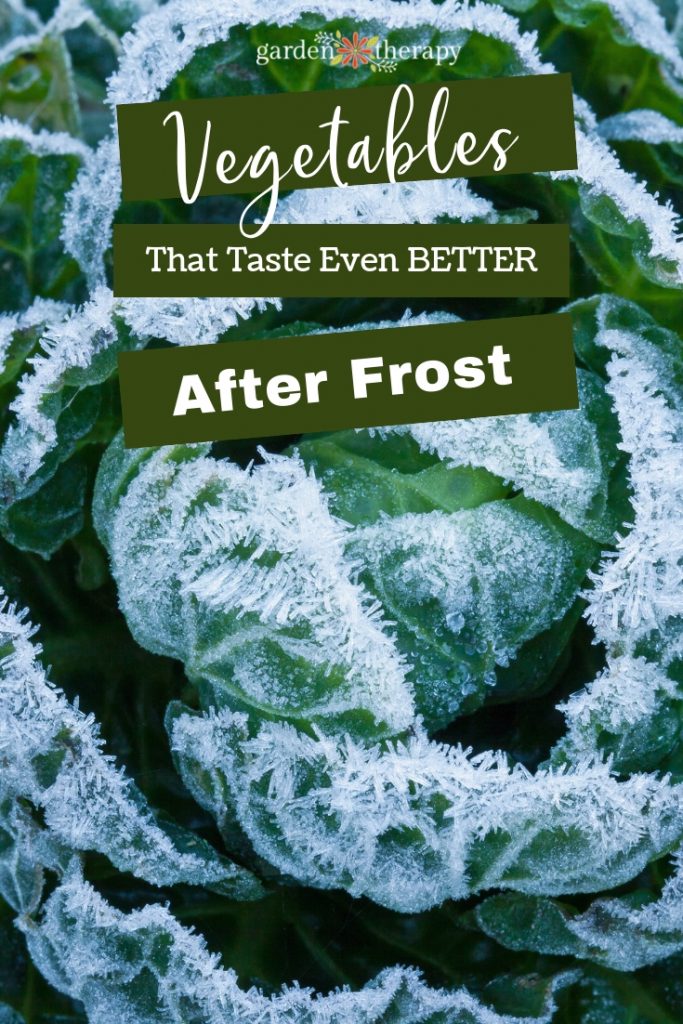
These vegetables get sweeter after being kissed by frost, making them a delectable wintertime treat. So don’t despair when that first frost hits; instead, get excited because you’re about to get some delicious gifts from the garden.
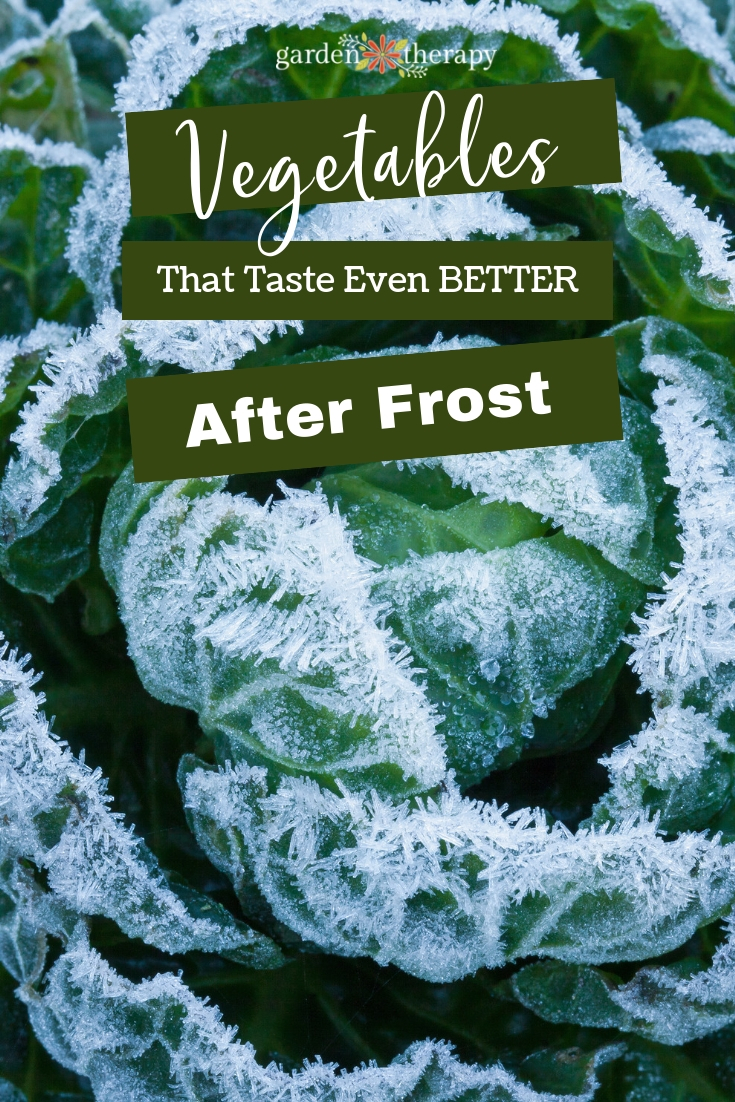
That first frost can be a sad time for gardeners because it is often thought of as the end of the time of year when we can harvest garden produce to eat. However, there are actually lots of vegetables that not only withstand the frost, but actually taste better after the temperatures drop!
When the frost hits, the naturally occurring water inside a plant freezes, causing distress to the plant. In order to combat this, some plants produce more sugar, which allows them to tolerate a lower temperature without freezing. It also means that the plants become sweeter and tastier.
These are the vegetables that get sweeter after a frost to harvest late this season.
Root Veggies
Beets, carrots, turnips, rutabaga, radishes, and parsnips are delicious after the first frost but before the ground freezes. They are also such a hearty, comforting food that they are exactly what many of us are craving during the cold winter months.
Even if you don’t get to them before the ground is frozen, leave them in the soil over winter and harvest them as soon as the ground around them thaws. They will still taste great as long as you get to them before they start re-growing their leaves for spring.
Roast root veggies with garden herbs, make a hearty winter vegetable soup, or try pickling them.
Brassicas
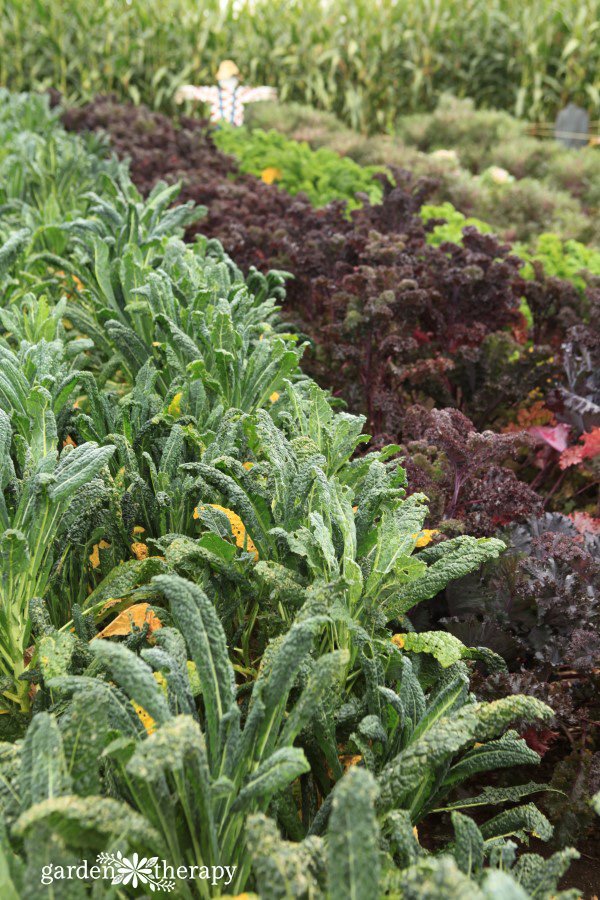
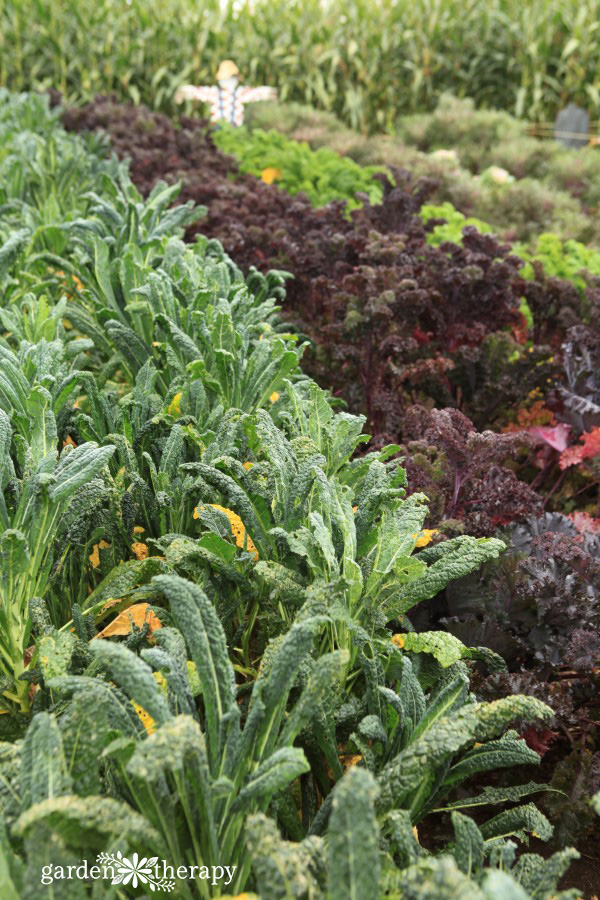
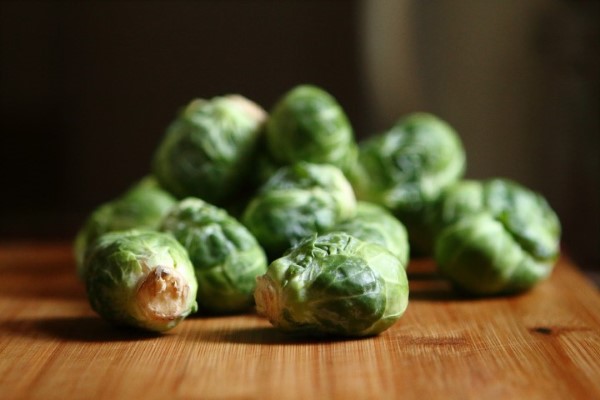
Brassicas, or members of the cabbage family, all taste great after the frost. These include collard greens, kale, Brussels sprouts, bok choy, cauliflower, and, of course, cabbage.
The best way to grow members of the cabbage family is to plant them in the spring to harvest a crop in the summer, and then plant them again in the summer to harvest a second crop in the winter (or even the following spring).
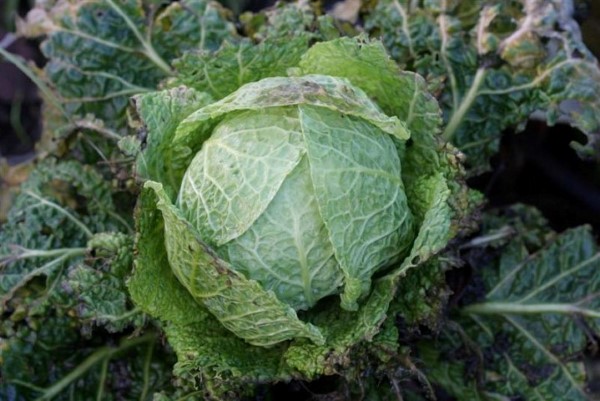
Brassicas grow best in cooler environments and, while they do produce well in the summer, it is the winter crops that really take the cake. When the first frost hits, the roots work hard to prevent the plants from freezing by sending sugars up to the cells in the leaves, making the leaves sweet and tender. Harvest these post-frost and enjoy getting your greens on throughout the winter!
Leeks
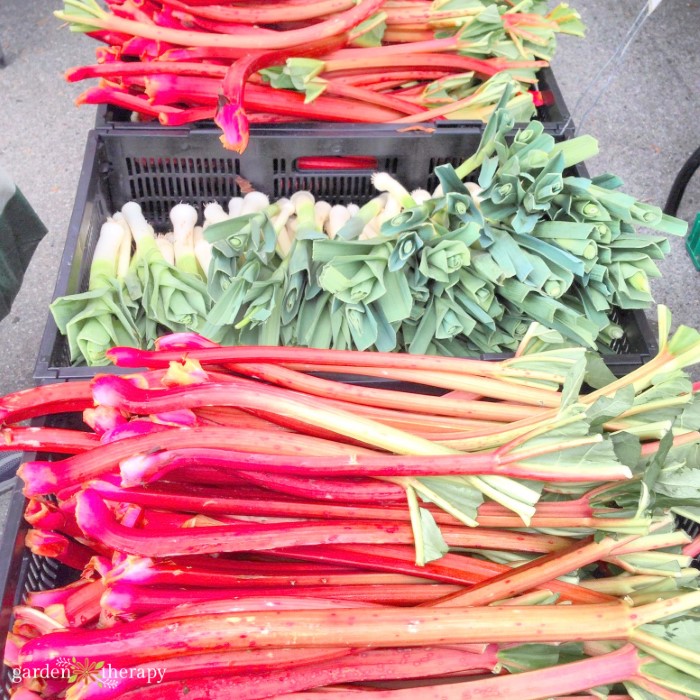
Leeks also get sweeter and more flavourful after a frost. Harvest them as long as they are not frozen into the ground (in some areas, this means you can be eating your own leeks all winter long). There’s nothing more comforting on a cold winter’s night than a hot, steaming bowl of leek and potato soup!
Lettuce and Spinach
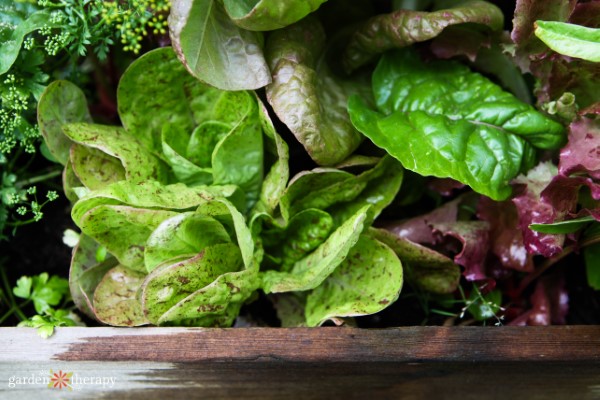
Most types of lettuce and spinach prefer the cooler temperatures, often bolting during the heat of summer. You can easily sow an additional round of greens at the end of summer to enjoy in the fall. They can reach maturity and harvest in a month (cut-and-come-again varieties).
Spinach can survive to about -7°C (30°F). But you don’t want to harvest the leaves when frozen, as they will turn mushy once thawed.
Most lettuces can only tolerate a light frost, but can easily be protected with a season extender.
Other greens, such as arugula, tatsoi, and radicchio, can also handle the cold well.
More Fall Gardening Tips

A city girl who learned to garden and it changed everything. Author, artist, Master Gardener. Better living through plants.