
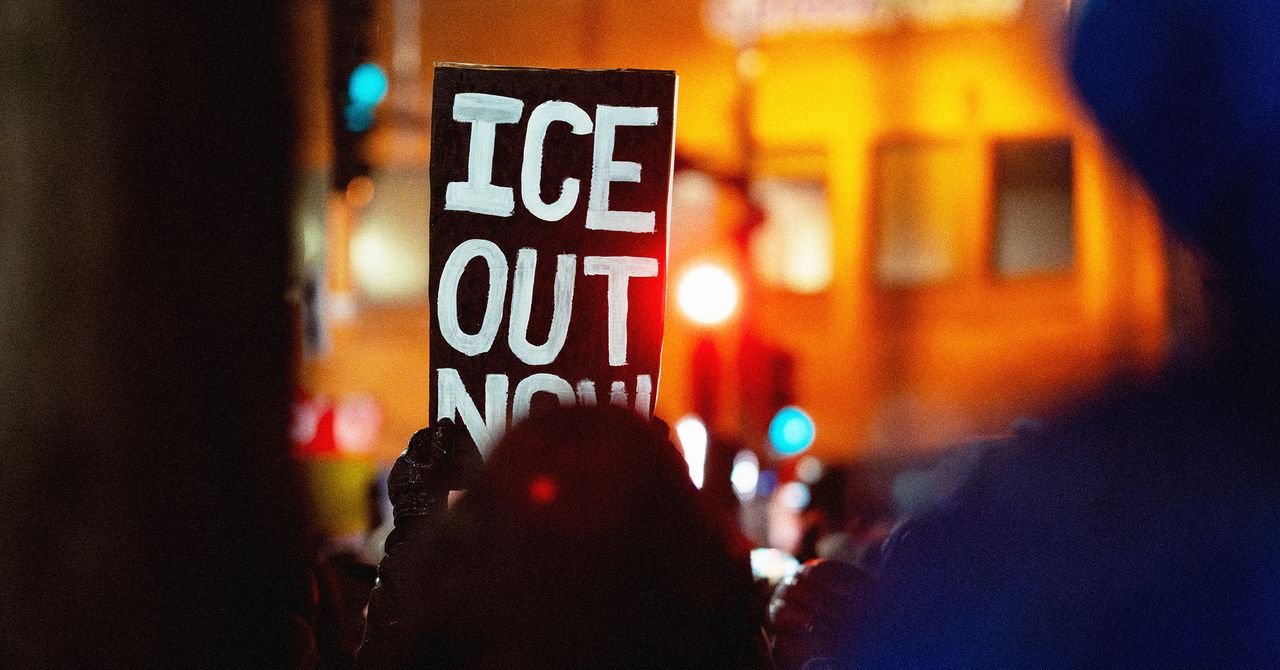
A federal judge on Monday declined to immediately curb the federal operation that has put armed agents on the streets of Minneapolis and St. Paul, but ordered the government to file a new briefing by Wednesday evening answering a central claim in the case: that the surge is being used to punish Minnesota and force state and local authorities to change their laws and cooperate with the targeting of local immigrants.
The order leaves the operation’s scope and tactics in place for now, but requires the federal government to explain whether it is using armed raids and street arrests to pressure Minnesota into detaining immigrants and handing over sensitive state data.
In a written order, Judge Kate Menendez directed the federal government to directly address whether Operation Metro Surge was designed to “punish Plaintiffs for adopting sanctuary laws and policies.” The court ordered the Department of Homeland Security to respond to allegations that the surge was a tool to coerce the state to change laws, share public assistance data and other state records, divert local resources to assist immigration arrests, and hold people in custody “for longer periods of time than otherwise allowed.”
The judge said the additional briefing was required because the coercion claim became clearer only after recent developments, including public statements by senior administration officials made after Minnesota sought emergency relief.
A key factor in the court’s analysis is a January 24 letter from US attorney general Pam Bondi to Minnesota governor Tim Walz, which Minnesota described as an “extortion.” In it, Bondi accuses Minnesota officials of “lawlessness” and demands what she calls “simple steps” to “restore the rule of law,” including turning over state welfare and voter data, repealing sanctuary policies, and directing local officials to cooperate with federal immigration arrests. She warned that the federal operations would continue if the state did not comply.
Immigration and Customs Enforcement and the Department of Justice did not immediately respond to a request for comment.
The case—State of Minnesota v. Noem—was brought by Minnesota attorney general Keith Ellison, Minneapolis, and St. Paul against Homeland Security secretary Kristi Noem and senior DHS, ICE, CBP, and Border Patrol officials.
At the hearing on Monday, lawyers for Minnesota and the cities argued that the federal deployment had crossed from investigating immigration violations into sustained street policing and “illegal” behavior, producing an ongoing public-safety crisis that warranted immediate limits. They pointed to fatal shootings by federal agents, the use of chemical agents in crowded areas, schools canceling classes or shifting online, parents keeping children home, and residents avoiding streets, stores and public buildings out of fear.
The plaintiffs argued that these were not injuries of the past but ongoing harms, and that waiting to litigate individual cases would leave the cities to absorb the violence, fear and disruption of an operation they do not control. The legal fight, they said, turns on whether the Constitution allows a federal operation to impose those costs and risks on state and local governments, and whether the conduct described in the record was isolated or so widespread that only immediate, court-ordered limits could restore basic order.
In filings, the plaintiffs describe an operation that DHS has publicly promoted as the “largest” of its kind in Minnesota, with the department claiming it deployed more than 2,000 agents into the Twin Cities; more than the combined number of sworn officers in Minneapolis and St. Paul. They argue the federal presence turned into day-to-day patrols in otherwise sleepy neighborhoods, with agents pulling over residents at random, detaining them on sidewalks, and making sweeping detentions without suspecting criminal conduct.
