
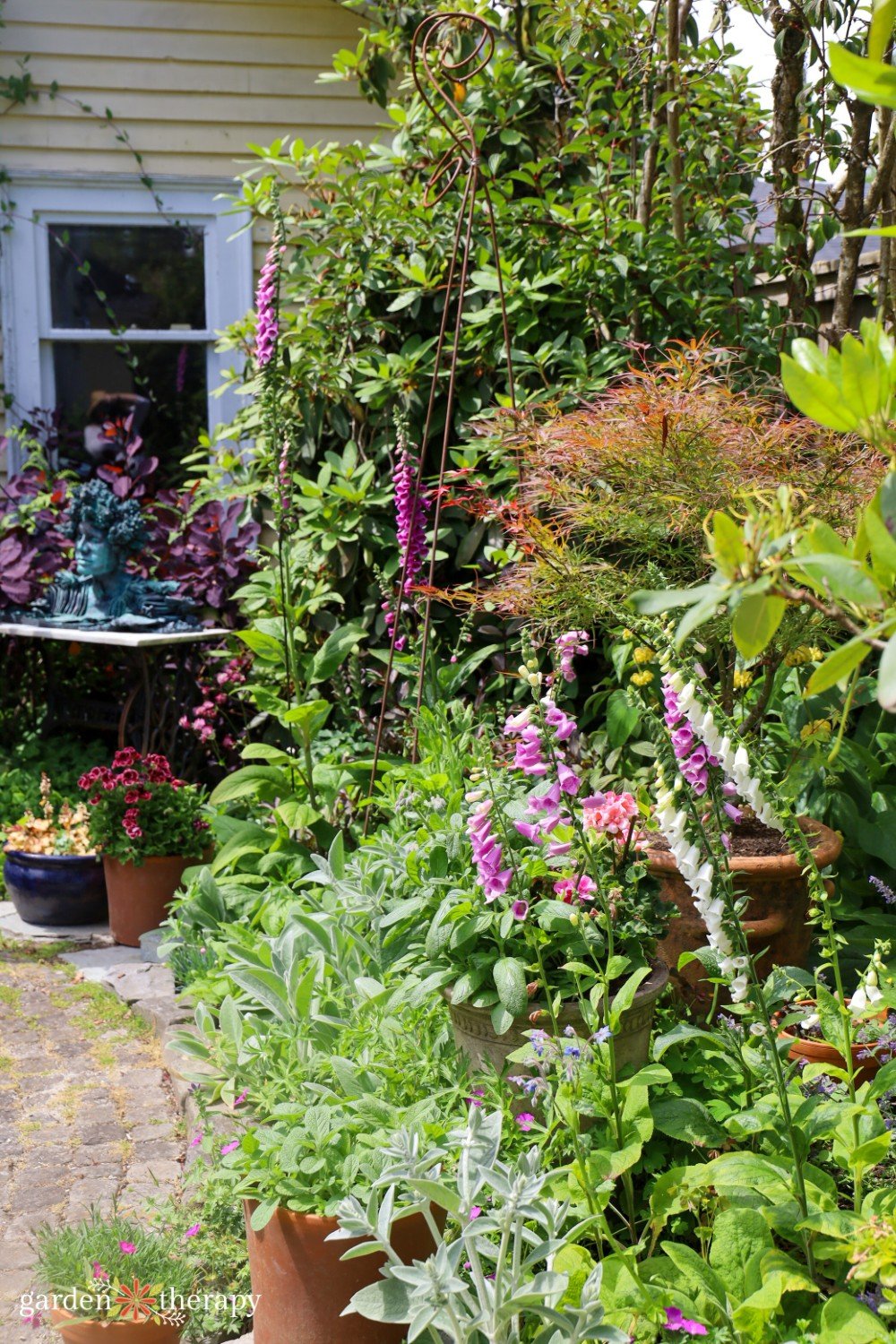
Gardening doesn’t need to be an expensive hobby. Even as a homeowner, there are many gardening grants and free resources you can use to help grow your garden. Use this list as your jumping-off point to creating your own wild and free garden.
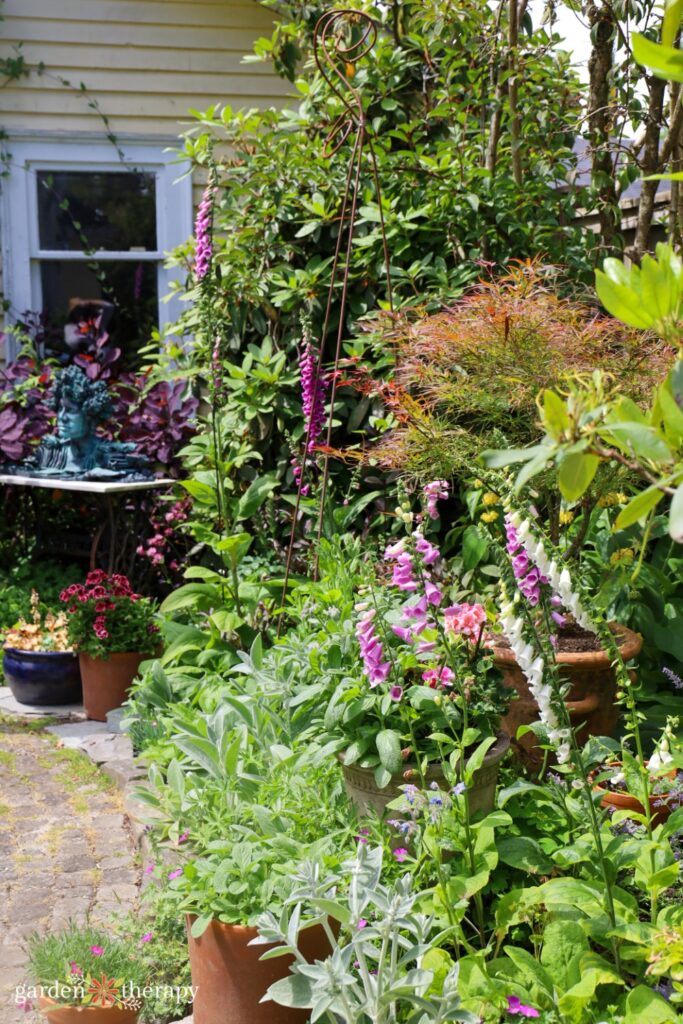
When writing The Wild & Free Garden, I focused on teaching you how to find local resources, no matter where you live. Often, these opportunities are out there; you just have to spend the time researching.
I did a lot of that legwork to uncover the kinds of places where you can access salvaged materials, donations, or even grants. Knowing the right questions can help you jump the line to answers, and that’s exactly how the book was written.
But along the way, I also came across many specific resources tied to particular geographic areas. This post is where I’m gathering all of those into one place: The Wild & Free Resource Guide.
For those looking to get started gardening or who want to revamp their space, this resource guide will act as your launching pad. Not only have I included specific grants, clubs, and resources I’ve already found, but I’ll continue updating this list as I discover more.
If you know of a great resource, please share it in the comments. I’d love to add it to this growing master list.
If you’re looking to get more savvy when it comes to gardening, I highly recommend you check out my new book, The Wild & Free Garden. It’s dedicated to helping you grow your garden by using found materials, free resources, community connections, and your own creativity.
Canadian Gardening Grants and Programs for Residents, Homeowners, and Renters
Here are some of the resources you can use to receive funding and assistance to create or change your garden in Canada.
- Neighbourhood Small Grants (NSG). (BC) Up to $500 for local residents to lead small projects that connect and improve their community. Often includes front yard gardens, shared planters, or native planting projects.
- Vancouver Community Climate Action Grants. (Vancouver) Grants for resident-led projects to make neighbourhoods greener and more sustainable, including garden initiatives and pollinator patches.
- Tree Canada’s Edible Trees Program. (Canada-wide) Provides funding and resources for individuals or community groups to plant fruit and nut trees on public or shared land, often in partnership with renters and residents.
- Maple Leaves Forever. (Ontario) 25% rebate for gardeners who plant native maple trees from partner nurseries. Trees are to be planted alongside roadsides, property boundaries, and hedgerows.
- Private Land Tree Planting Program. (Toronto) Toronto and Region Conservation Authority helps landowners plant native trees and shrubs, offering up to 90% funding for eligible projects. Landowners must have a minimum of 0.8 hectares of land.
- PollinateTO Grants. (Toronto)Helps create and plant new pollinator or rain gardens. Open to resident-led groups with at least three residents from separate households as part of the group.
- Forests Canada. (Canada-wide) For landowners with 0.5 acres to spare, plant a minimum of 500 native or naturalized trees. The aim is to increase forest cover to reduce soil erosion and improve water quality.
- LEAF Homeowner Planting Subsidy. (Toronto+) For homeowners in Toronto, York region, and Durham region, LEAF helps to subsidize the cost of native trees and shrubs.
- Community planting groups. There are many opportunities for municipalities, non-profits, and community groups to receive additional funding and grants. Network of Nature has a stellar list.
US Gardening Grants and Programs
Likewise to the above, here are resources aimed at helping American gardeners find funding and assistance with their garden and related projects.
- Local extension offices. Free or low-cost workshops, soil testing, master gardener advice, and resources available to residents through state universities.
- SeedMoney Garden Grants. (US-wide) Open to individuals, schools, and community groups. Crowdfunded with matching grants for food gardening projects.
- National Gardening Association Garden Grants. (US-wide) Periodically offers grants for home and community gardeners, with special programs for renters and those in underserved communities.
- Pollinator Patch. (US-wide) This website can help you find city and water utility rebates based on your zip code to help replace turf grass with native plants.
- Chicago TreePlanters Grant. (Chicago) TreePlanters provides young trees to people and organizations. Must coordinate with neighbours to plant 10-40 trees.
- Illinois Native Plant Society Grant. (Central Illinois) Individuals or groups can receive funds up to $1,000 to support native plantings and natural communities.
- Monarch Butterfly and Pollinators Conservation Fund. (US-wide)Provides grants to support habitat improvement for monarchs and other at-risk pollinators.
- Lawns to Legume Grant. (Minnesota)Receive reimbursement for native planting projects that support at-risk pollinators.
- Association for Butterflies Mini Grant. (US-wide) Supports groups that are interested in butterfly conservation and projects that support butterflies and their habitat.
- Neighborhood Matching Fund. (Seattle) Receive funding for resident-led projects, including front yard or shared-space gardening. Similar programs exist in other US cities.
- Front yard garden incentives. Many cities (like Los Angeles, Portland, Austin) offer rebates, grants, or free resources for residents replacing lawns with native plants, food gardens, or drought-tolerant landscapes.
How to Find Local Gardening Grants and Programs
The lists above are only a few of the many, many grants and programs available. No matter where you are, I’m sure there are a few local grants just waiting to be found. Here’s how you can begin your search to find grants you may qualify for.
- Habitat certification programs. Certify and support wildlife-friendly gardens, often with resources or discounts. Example: National Wildlife Federation’s Certified Wildlife Habitat (US).
- Local community garden networks. Many cities like Toronto, Victoria, and Calgary offer garden plot programs or subsidized access for residents and renters. Check your local city or regional gardening society.
- Local municipalities. City or regional governments often offer grants or rebates for eco-landscaping, native plants, or rain gardens. Example: City of Toronto’s PollinateTO grants for pollinator gardens.
- Faith-based environmental stewardship programs. Offers funding or volunteers for eco-projects aligned with spiritual care for the earth. Example: GreenFaith (global interfaith environmental network).
- Regional conservation authorities. Local environmental bodies focused on land and water conservation often fund native planting and erosion control. Example: Credit Valley Conservation (Ontario) offers Green Yard Makeover support.
- National or regional native plant societies. Promote native plant gardening and may offer mini-grants, seeds, or resources. Example: North American Native Plant Society (NANPS) grants for habitat gardens.
- Environmental nonprofits and NGOs. Organizations with environmental missions may offer funding, tool libraries, or workshops. Example: Earthwatch (Australia/UK/US) citizen science and sustainability grants.
- Community foundations. Local grant-making organizations that support environmental and community projects. Example: Vancouver Foundation’s Neighbourhood Small Grants program.
- Gardening clubs or horticultural societies. May have member grants, plant sales, or mentorship for native and naturalized gardens. Example: Royal Horticultural Society (UK) community garden support.
- Universities or botanical gardens. Offer community outreach, research partnerships, and sometimes grants or free plants. Example: Chicago Botanic Garden’s Budburst project (US).
- Utility companies. Some provide rebates for water-wise landscaping, rain barrels, or shade tree planting. Example: SA Water (Australia) rebates for sustainable gardens. Christmas tree cutting permits under power lines from BC Hydro (this is how I get my Christmas tree!).
- Watershed or stormwater management grants. Encourage gardens that reduce runoff and improve water quality. Example: Philadelphia Water Department’s Rain Check program or Vancouver’s Cougar Creek Streamkeepers.
- Rewilding or biodiversity initiatives. Fund or support projects restoring native habitats and wild spaces. Example: Rewilding Britain community grants (UK).
- Pollinator protection programs. Focus on creating pollinator habitat and may provide free seeds or small grants. Example: Xerces Society’s pollinator habitat kits (US).
- Habitat certification programs. Certify and support wildlife-friendly gardens, often with resources or discounts. Example: National Wildlife Federation’s Certified Wildlife Habitat (US).
Finding Free and Low-Cost Gardening Materials Locally
There are endless programs out there; it’s just about finding them! You can find resources at the federal, state/provincial, and municipal levels. Many local groups and organizations are out there, ready to help you get started.
Here’s how you can start your own search for local materials and help.
- Free plant swaps, tool libraries, and seed libraries. Local non-profits, libraries, and garden clubs often host events where residents and renters can access free seeds, plants, and tools. Seed swaps are a common spring event.
- Community compost programs. Municipalities and non-profits often provide free compost or mulching services to encourage residents to start gardens. Check your local city’s parks or public works department.
- Public land gardening programs. Some municipalities allow residents or renters to “adopt” a boulevard, curbside strip, or vacant lot for gardening, offering free permits or starter plants.
- Water rebates and lawn conversion incentives. Some cities offer rebates or grants for replacing turf grass with native plants or drought-tolerant landscaping.
- Public garden plots or shared tool libraries. Your city or regional gardening society may offer low-cost or free plot rentals and access to shared garden tools.
- Local horticulture clubs, garden societies, and master gardener groups. They often host spring and fall plant sales, swaps, or giveaways.
- Community center bulletin boards. Check for plant swaps, seed libraries, and local donation events.
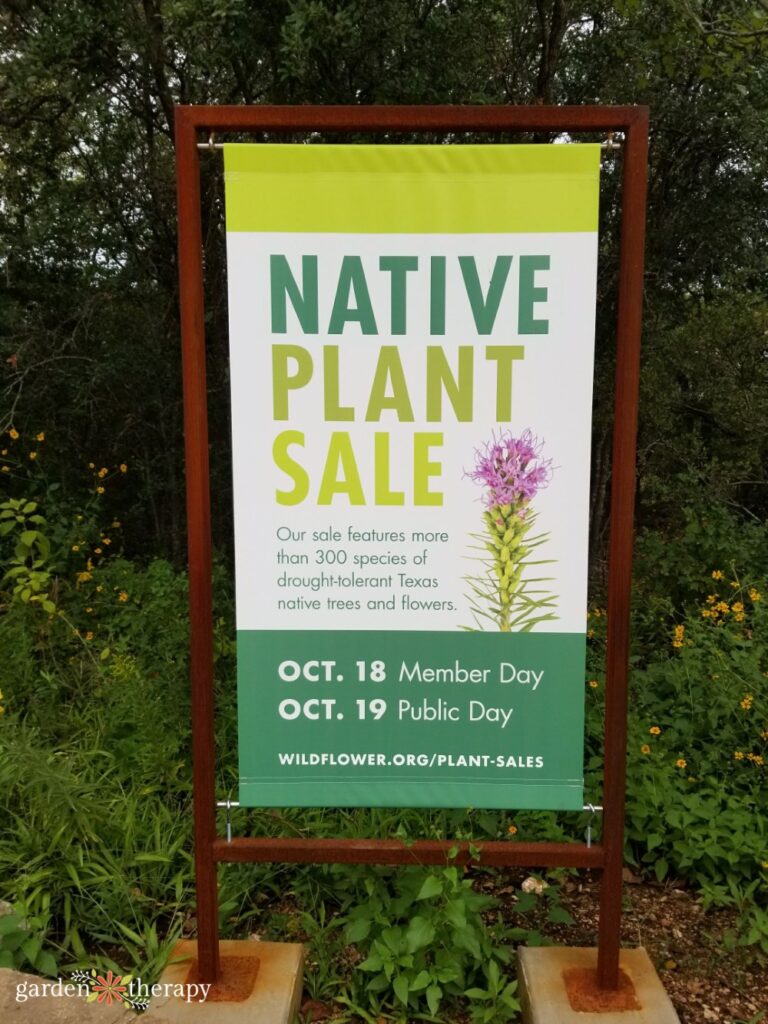
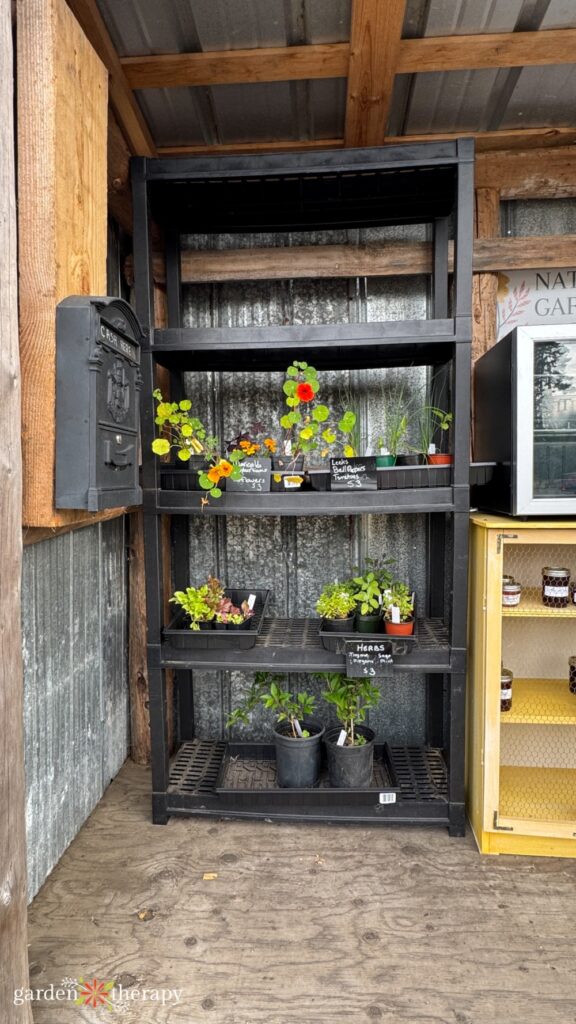
- Farmers’ markets and garden festivals. Vendors sometimes give away or discount leftover plants at the end of the market day.
- Online garden groups. Online, especially on Facebook, you can find localized garden groups. For instance, I’m a member of “Gardening in the Fraser Valley.” Many people will post extra gardening items they’re looking to rehome.
- Use nature’s freebies. Gather fallen leaves for mulch, stones for edging, branches for trellises, and logs for wildlife habitat.
Repurposing and Sharing Economy
The best place to get items? Your neighbours! So much of what we need already exists, and there’s someone out there looking to get rid of it. The sharing economy links you with your neighbours and other locals to share excess and what they no longer want. It keeps items out of the landfill, saves you money, and connects you with the community in the process.
I’ve already written about how you can tap into your local sharing economy as a gardener. But here’s a little summary!
Watch for demolition sales or curb alerts. Salvage patio pavers, planters, old wood, or bricks being discarded. Keep an eye on construction or demolition sites, but always ask first.
Check for free listings on Craigslist and Facebook. People give away soil, mulch, plants, patio stones, and even sheds.
Search and join your local “Buy Nothing “community or look for plant swap groups. These often have free listings for tools, soil, plants, pots, and more.
This is only scratching the surface of how you can transform your garden and space on a low budget. Once you begin to connect with your community, it opens a floodgate of new people, projects, and resources. I explore all of this and more in my new book, The Wild & Free Garden. Be sure to check it out to join the movement and tap into your local sharing economy.

A city girl who learned to garden and it changed everything. Author, artist, Master Gardener. Better living through plants.
