
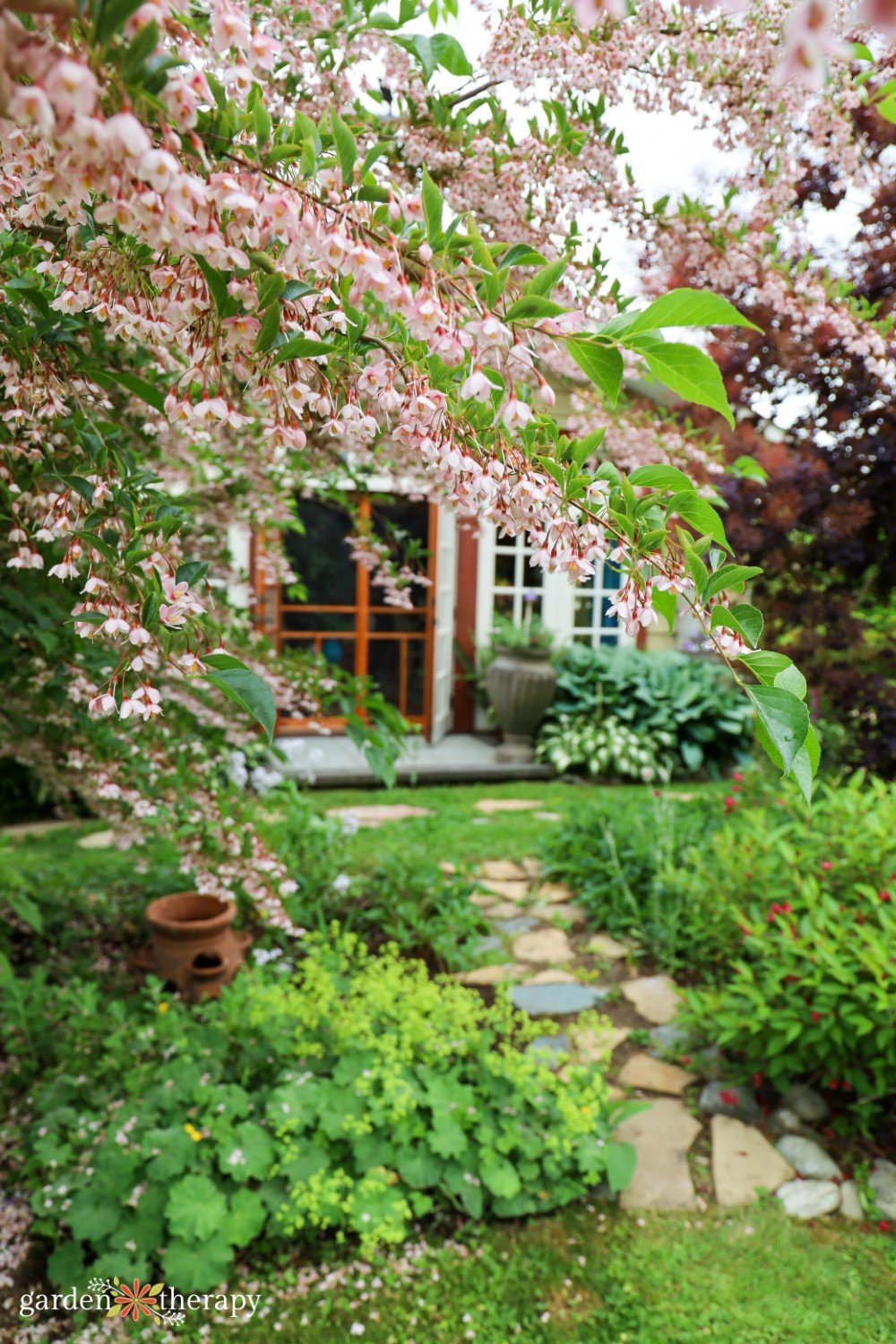
The best gardens don’t follow rules at all. This week, I’m sharing how I found my own personal gardening style and how you can uncover yours, too.
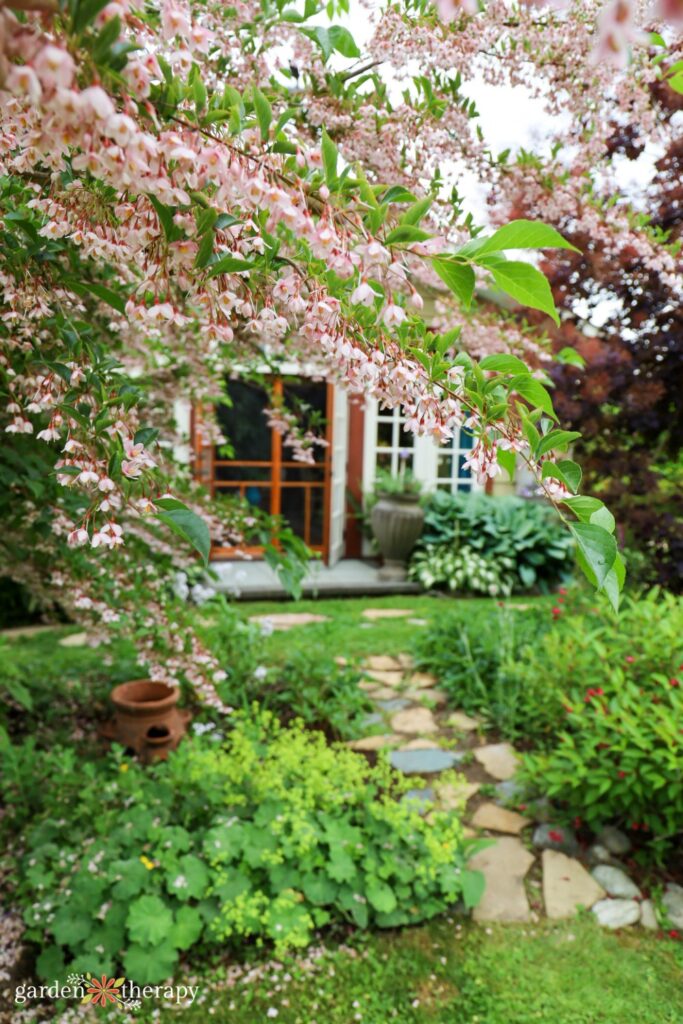
I’ve seen many, many gardens in my lifetime. In the past year, while I’ve been working on The Wild & Free Garden, I’ve toured well over 50 gardens in my area.
My favourites are always those that feel personal. They immediately tell me something about the gardener and utilize plants and materials in creative ways.
Finding your own garden style isn’t something that happens overnight. Much like your personal style for your clothes or the inside of your house, you slowly become aware of what you’re drawn to. Over time, your garden turns into a space that feels unique and special, a reflection of you.
A personal garden always feels more comfortable and lived in than any other space I’ve seen on Pinterest mood boards or Instagram posts. It’s about ignoring what’s popular or standard and focusing on what brings you joy and peace.
It’s no easy feat to define your personal gardening style. But I hope these questions and tips below can spark some inspiration to begin curating your garden.
What Do You Like Growing?
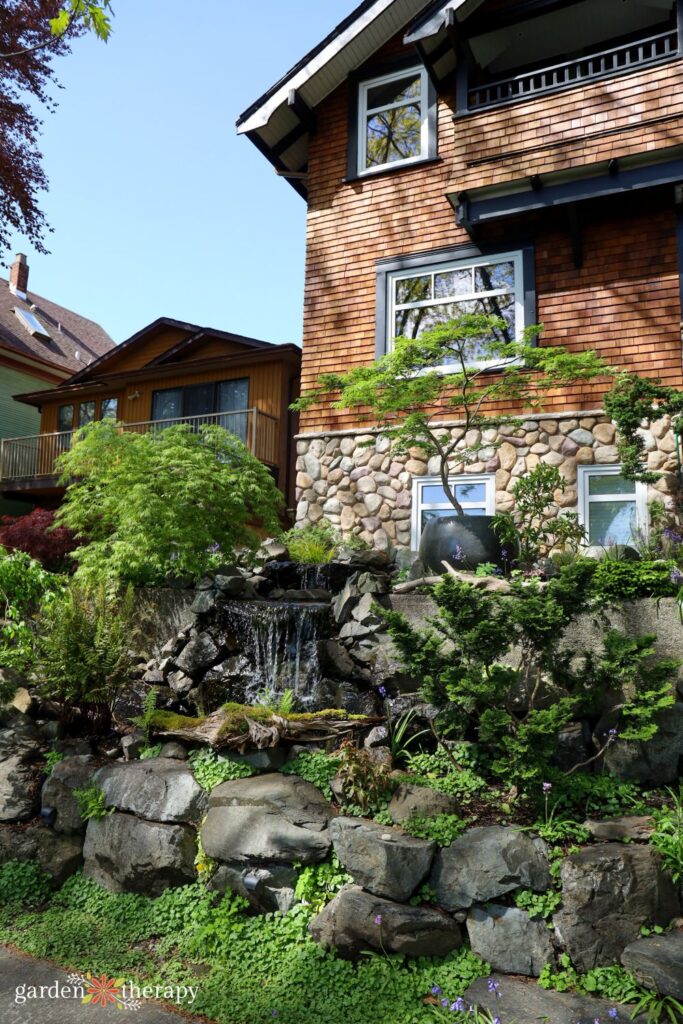
The single most important influence in your garden is going to be the types of plants you like to grow. A flower garden’s design and appearance will look much different than a vegetable garden.
For new gardeners, I recommend growing a little bit of everything: annuals AND perennials, flowers, herbs, vegetables, native plants, succulents, etc.
Once you find your favourite types of plants to grow, the other elements of your garden will come together around it.
The other aspect to consider is what conditions you have for growing. If your front garden is entirely in shade, it will be much more difficult to grow a thriving veggie garden as opposed to shade-loving perennials.
It’s always a good idea to work with what will naturally grow best in your garden rather than fight and put in a lot of effort to keep an ill-suited plant alive. Naturally wet? Plant moisture-loving plants. Really dry and rocky area? Try xeriscaping!
Draw Inspiration From Your Interior Style
What are you drawn to inside your home? That can easily translate to your outdoor gardening space.
When decorating your home, the fun part often comes in the small details. Adding paintings, a rug, lighting, statues, vases, and all the little trinkets. What’s stopping you from doing the same thing outside?
I include many items that are traditionally for indoor use, such as shelves and houseplants, or a cowboy picture my son found in an alleyway, which we proudly hung up.
There are no “rules” for decorating outside, so you can apply the same decorating techniques. Yes, most items aren’t necessarily built to go outside. You likely will have to bring things inside and store them for the winter. And they will get sun-bleached and weather-worn, so make sure you go in with that expectation. But I think it just adds character!

Source Unique Second-Hand Finds
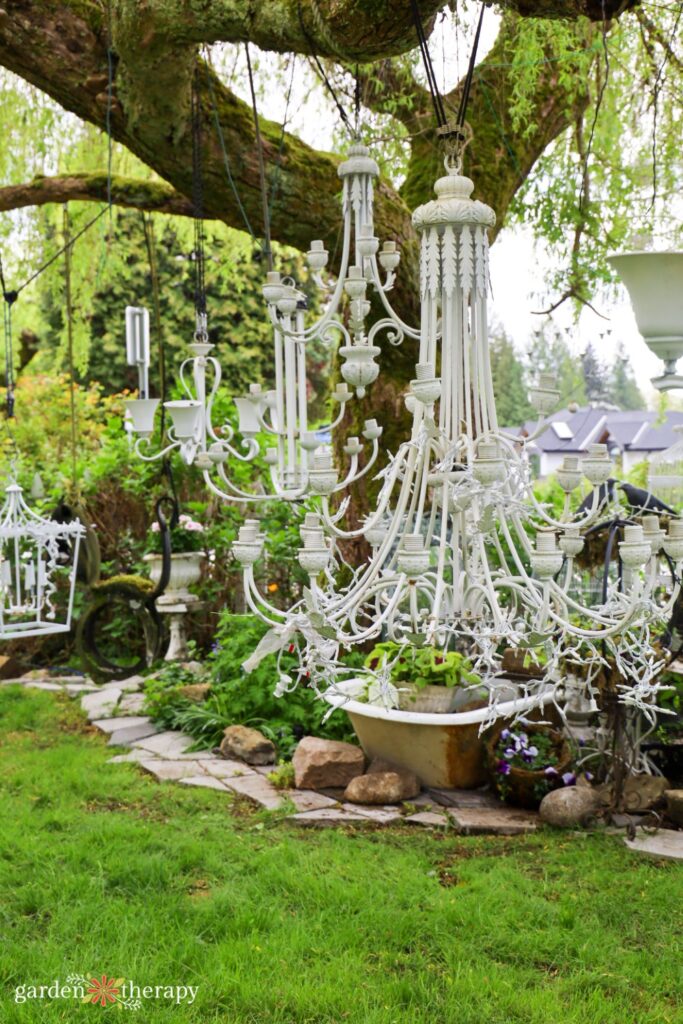
The best gardens are full of unique and sometimes wacky items that you can’t just order off of Amazon. A second-hand chandelier repurposed to hang from a tree. A giant birdcage turned treehouse. Chairs used as peony supports.
A big part of this is patience. You have to spend time hunting and gathering for that perfect item, and be willing to put in a little bit of elbow work to make it shine again.
It’s hard to resist shopping online and quickly grabbing something when you need it, but you get so much satisfaction in this delayed gratification of finding the perfect, better-built, and one-of-a-kind item for your garden.
When you take the time to find these special finds, suddenly your garden tells a story. Displaying a pot you found while on your travels. A bench you lovingly restored the first spring you moved in.
What Are Your Hobbies Outside of Gardening?
I think of the garden as an extension of not only my living space, but myself as well. The garden can be more than a place for growing plants, but a space to reflect your other interests as well. And this will greatly affect how you plan it!
You might love cooking, prioritizing your herb garden, and an outdoor dining table to host friends. A meditation garden is perfect for the person looking for a place to reflect outside, or perhaps set up a yoga mat for some light exercise.
Someone who loves playing toss with their kids might prioritize a lush green space. Meanwhile, the person who loves reading will create the perfect corner nook to curl up with a book.
Let your hobbies and interests shape your garden. You’ll find that once a space serves a purpose, what you begin to plant, furnish, and decorate will come naturally.
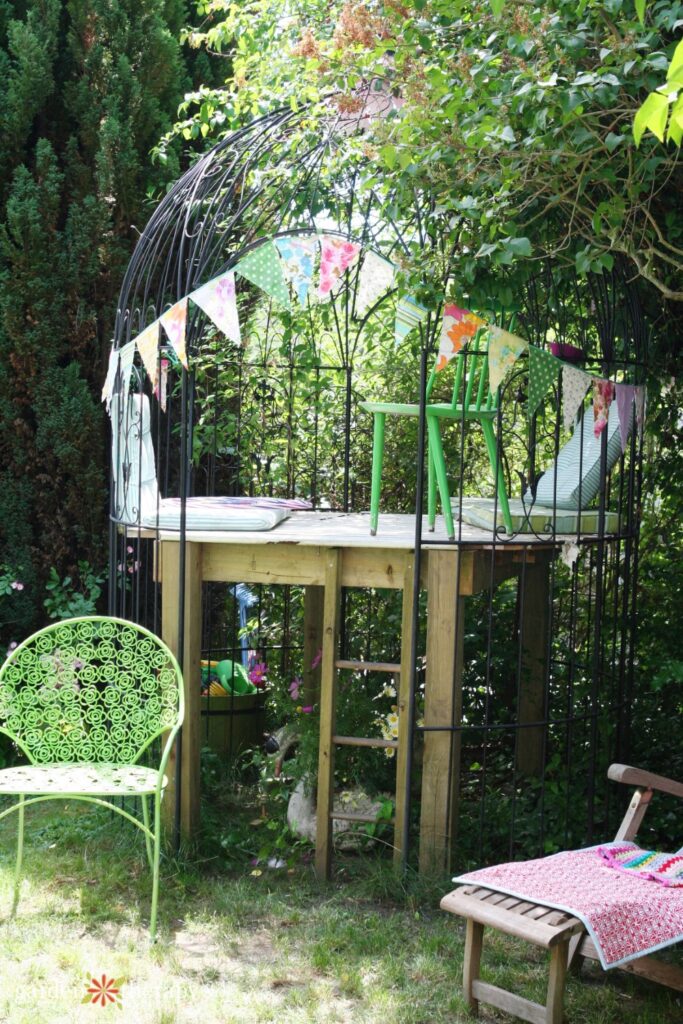
Determine a Theme
When you’re feeling stuck, sometimes it can help to find a general theme for the garden to center around. A theme can be anything you want. Perhaps you plant a moon garden, with a majority of white plants that stand out in the moonlight.
Or you make a meditation garden to cover your entire garden, taking inspiration from the Japanese garden style.
Your theme could be “for the pollinators,” where you grow plants your local pollinators would love, and add details such as bug hotels, bee baths, hummingbird feeders, and bug-inspired décor.
It can focus on one element, such as water. A bubbling fountain or wildlife pond could be the focal point of your garden, and you plant and design around it.
You could love history, choosing to decorate your garden in the style of Versailles or with ancient Greek-inspired statues.
A theme is great for those who aren’t sure where to start. It sparks inspiration and can easily be finessed over time.
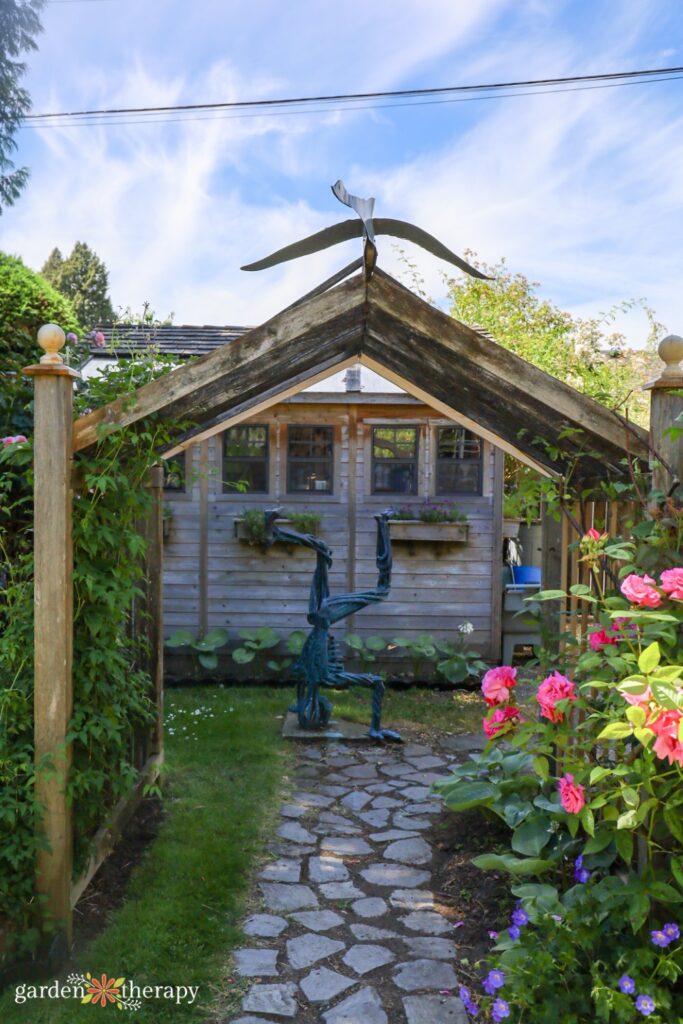
Go on Garden Tours
The best way to get inspired is to see what other people are doing with their gardens. Take a walk around your neighbourhood and look for homes that are similar in design to yours. How is their garden complementing their home’s style?
Look for similar trees and shrubs to your own, and what they’ve been planted beneath and around them. Note any elements that excite you, from front arbours to unique stonework in a pathway.
While I love front yard gardens, sometimes you don’t know what’s hiding in the back! Try to join some local gardening tours where you can really get a good look at a person’s garden, and maybe even ask the gardener about their personal style and inspiration.
The best way to begin to learn your own style is to get out there and see all the different ways people approach gardening.

Popular Garden Styles
There are many pre-existing garden styles that you can use to gain inspiration. Rather than replicate, use them as a jumping-off point. Mix and match elements that you’re drawn to.
It’s important to follow what you like rather than what’s trending or what Sally next door would prefer.
- English and Cottage Garden: Inspired by the abundance of English meadows and countryside. Heavy use of flowers and climbing plants, as well as stone pathways, hedges, garden ornaments, and a sitting area.
- Japanese Garden: Leans heavily into the use of greenery and creating a serene atmosphere. A carefully groomed and curated space with water, stonework, and décor, and plants inspired by the Japanese landscape.
- Mediterranean Garden: Using drought-tolerant plants that grow in the Mediterranean. Utilizes many warm and bright colours, lots of terracotta pots, small fountains, herbs, and architectural details like wrought iron or stone walls.
- Rock and Garvel Garden: Rather than fill a garden bed or lawn with green plants, rock becomes the focus, with drought-tolerant plants scattered throughout or hanging down. Succulents or alpine plants are favoured.
- Formal Garden: Carefully curated, with neatly trimmed shrubs, hedges, and ornamental plants. Lots of empty space filled with square, rectangular, and circular garden beds. Symmetry and balance play a key role.
- Wildlife Garden: Think of a prairie or a meadow. The garden grows in a similar way it would in nature without influence. Favours perennials, native plants, and lots of colours, with plants providing food and habitat for wildlife.
- Coastal Garden: Inspired by the serenity of the ocean, it utilizes plants with a soft colour palette, including hues of blue and white. Native plants that are built to withstand salt and wind. Integrates with the natural landscape, including materials such as driftwood, stone, and shells.
How would you define your personal gardening style? Let me know in the comments!
More Garden Design Inspiration

A city girl who learned to garden and it changed everything. Author, artist, Master Gardener. Better living through plants.
