
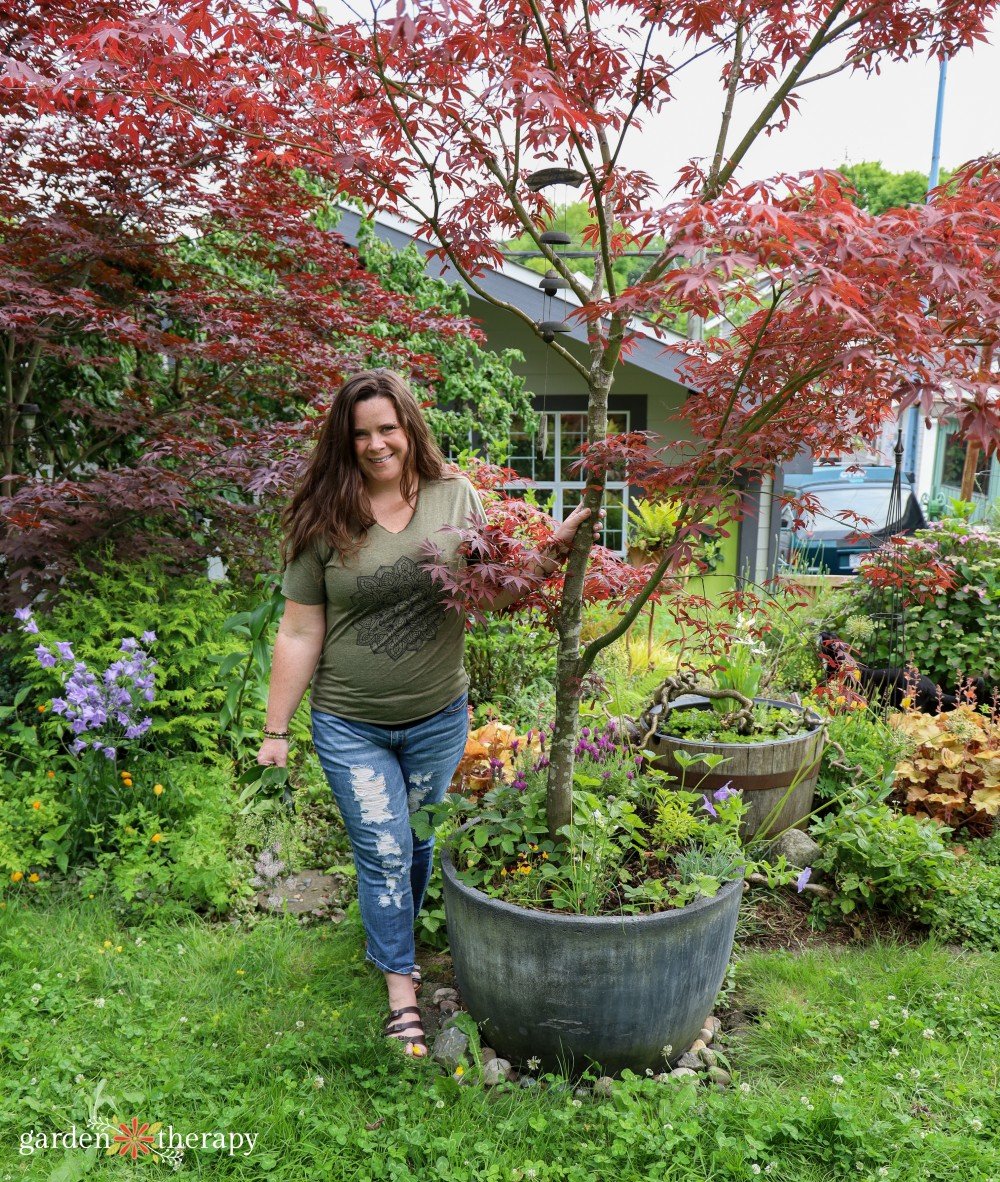
First there was looksmaxxing, then there was productivity-maxxing, and now we’ve made it to garden-maxxing. Rather than try to make a hyperproductive garden, let’s focus on making a garden that nourishes us in all aspects: body, mind, spirit, and connection.
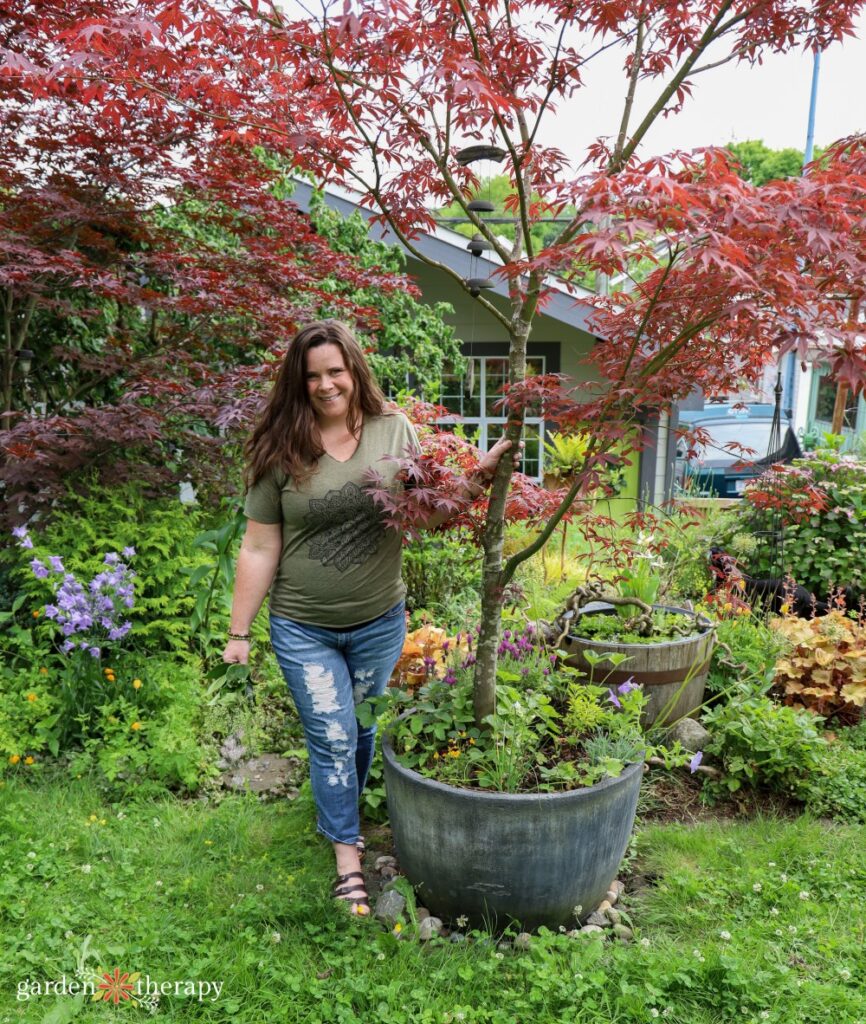
Lately, it seems as though everything is getting the “maxxing” treatment. There’s protein-maxxing, fibre-maxxing, sleep-maxxing, and productivity-maxxing, just to name a few. The goal is always the same: optimize every possible aspect of life to achieve the “maxxing” result.
With maxxing coming to the forefront of popular culture right now, I thought the garden should have its turn.
So, I’m coining a new term: garden-maxxing.
But unlike many of these hyperproductive maxxing trends, garden-maxxing isn’t about squeezing more work into your day or chasing impossible standards. In fact, it’s the opposite. It’s about getting the most from your garden in a way that feels sustainable, rewarding, and enjoyable.
Let me show you how to nourish yourself with the garden, maxxing it to its full (healthy) potential.
What is the Maxxing Trend?
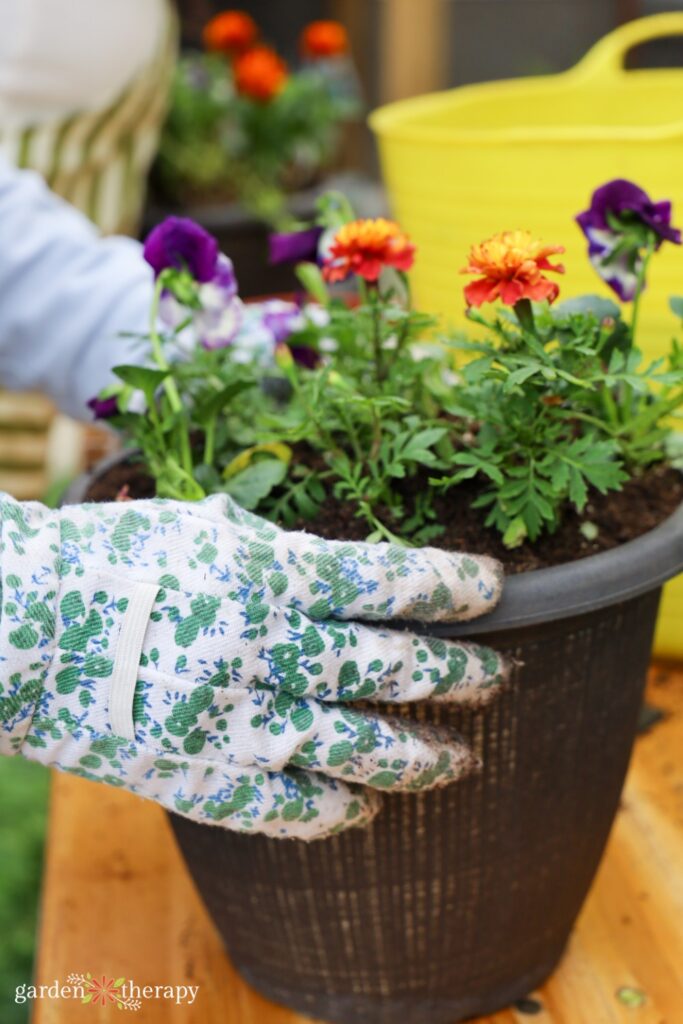
Maxxing is a new slang term that refers to giving something your all. You put the maximum possible effort into achieving your goal. Let’s use sleep-maxxing as an example.
You might buy a white noise machine, a silk sleep mask, earplugs, and blackout curtains just to improve your sleep, while also removing your phone from your room, eliminating caffeine, reducing the room’s temperature, and avoiding drinking anything two hours before bed. That’s a lot.
The trend originated more than a decade ago, with looksmaxxing. It began with teenage boys and young men, with the goal to completely rework their physical appearance using everything from rigorous skincare routines to extreme workout regimes.
The greater problem with maxxing as a whole is the focus on perfection. It takes everything to an extreme and encourages unrealistic goals. As a result, you feel stressed and burnt out, and end up with a negative self-image and worth for not being able to reach your goals.
What is Garden-Maxxing?
With all that in mind, I’m going to be garden-maxxing this summer. And in a much healthier way that takes away that pressure to be perfect. Just as the garden would want.
Yes, a garden is supposed to look beautiful. It complements your house and adds to the overall curb appeal.
But gardens can also nourish you by providing you with food, medicine, and joy. They can be a peaceful place to rest, as you take in the gorgeous sights and smells around you.
Rather than have a perfect garden that drains us of energy in its upkeep, how do we maximize our gardens to support and nourish us instead?
I’m defining garden-maxxing as using the garden to maximize our pleasure, joy, and relaxation in our lives. We’re no longer hyper-focusing on creating a garden and outdoor space that fits in with the neighbourhood or follows conventional rules. We’re creating gardens that work with us, exactly how we and we alone would like to use them.
How to Garden-Maxx
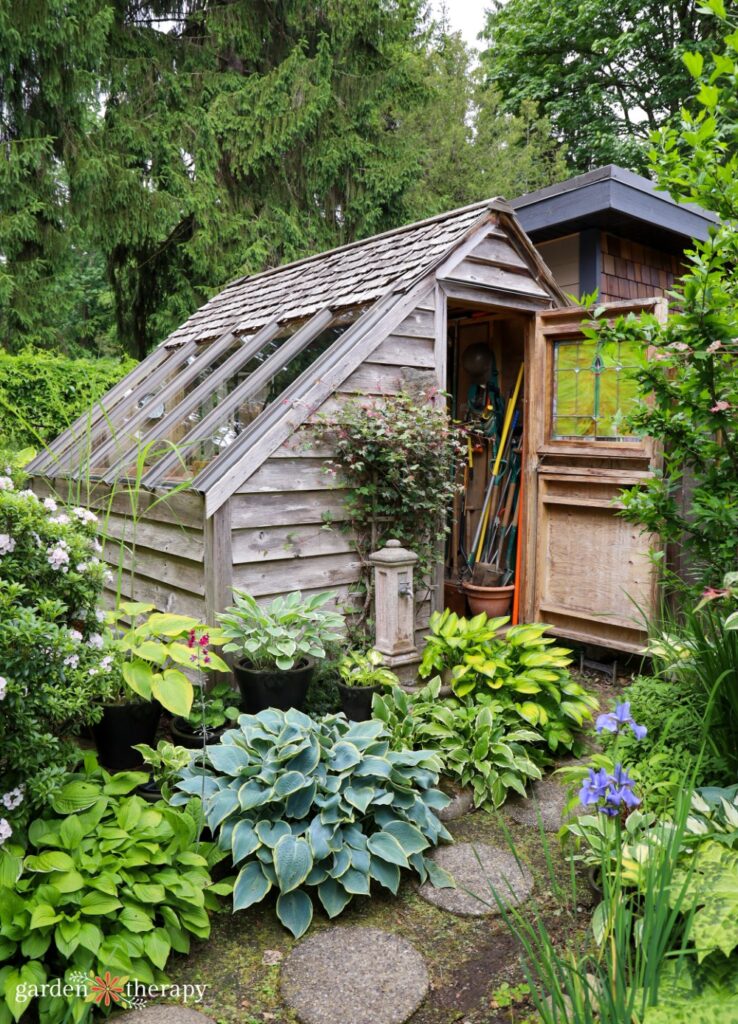
A lot of garden-maxxing would entail creating a garden that is less work and more in tune with nature. A garden that seamlessly fits in and supports your local ecosystem. This means less weeding, watering, pest control, planting, fertilizer, and overall maintenance for you.
That is everything I write about here on Garden Therapy. To begin this kind of change, I recommend you start implementing regenerative gardening. This article (and entire book!) covers some fundamental practices and projects to shift to this way of gardening.
Now, let me show you a few ways you can specifically use the garden to nourish all aspects of yourself.
Body
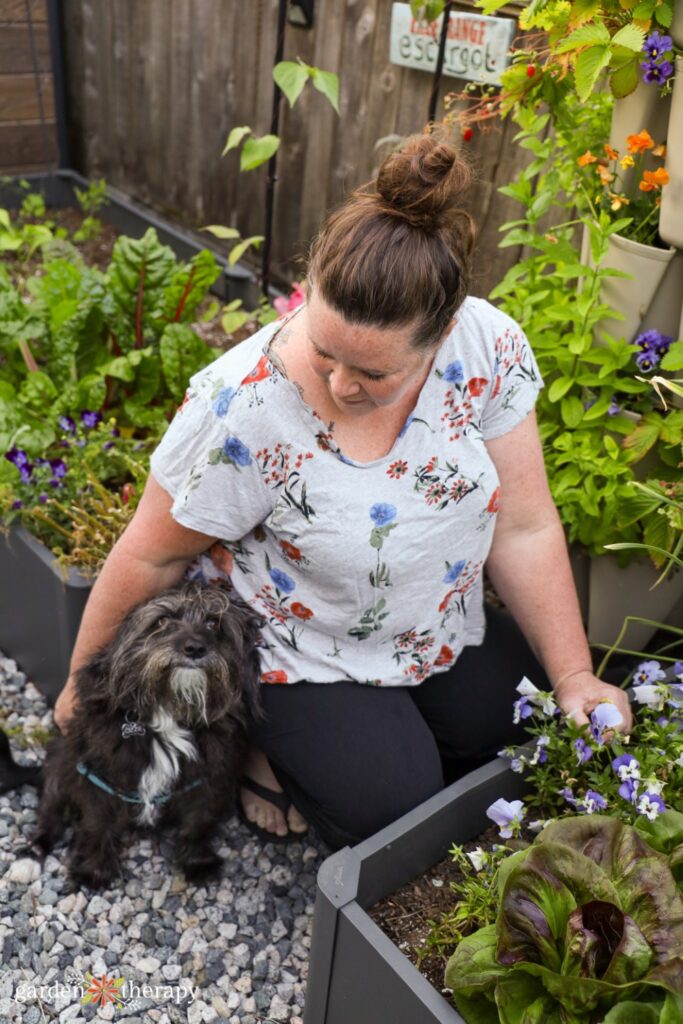
The garden has great power over us physically. Anyone who gardens knows how good a workout it can be. Just five minutes of bending and weeding can help keep up flexibility and stimulate blood flow.
Getting outside physically relaxes us as well. Nature’s mental health benefits have been studied extensively, and in turn, you’re helping your physical body as well. Just picture the release of tension from an overworked mind, the bundled nerves from anxiety, and the rising blood pressure from stress. They can all be lessened with a quick walk (or sit) outside.
There’s also the power in the food we grow for ourselves. Having fresh, delicious food fuels us, especially as grocery prices continue to rise around us. And many plants have powerful medicinal properties that we can rely on for all kinds of ailments, from cold and flu to menopause.
Here are a few ways to think of the garden for your physical health:
Mind
Perhaps AI could tell you how to grow something or try to diagnose what’s wrong with your plant, but trust me, you’ll learn much better by trying, failing, and growing again. Gardening can open up your mind to a whole new set of critical thinking skills.
Nothing is ever a quick fix. It will take you months to grow things, allowing you to really sit with everything you’re learning while tending to your plants. It forces patience, and I believe it can help to reset your attention span as you get outside and away from screens.
After months of tending to a plant, we may get a harvest or finally get to see its coveted bloom. We get excited when a new leaf grows and note the changes in our garden journal. This delayed gratification is a healthier way to release dopamine, rather than those quick hits we may get while scrolling.
Here’s how I use the garden to separate myself from tech, and ground myself:
Spirit
When I first started gardening, it was with the aim of improving my mental health. Just getting outside for five minutes a day helped me regain my sense of self and independence.
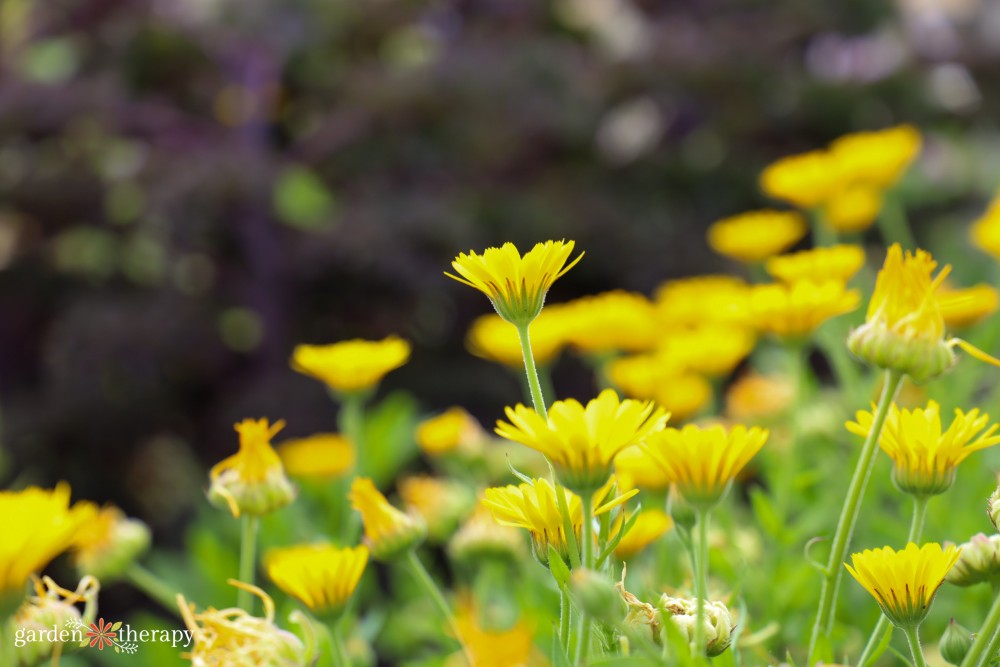
Nature and interacting with plants are proven to lessen the symptoms of depression and anxiety, helping to lower stress levels. Even touching soil helps to release serotonin, as we interact with specific soil bacteria. Or the true “harvest” high we get, where dopamine is released when we harvest something we’ve grown.
I encourage you to read more about gardening and mental health in these posts:
Connection
Everything for me is about connection these days. Gardening has brought me an entire community, both online and in person, that continues to expand every day.
For me, gardening is a shared passion between Kiddo and me. He started gardening in the womb and would sit outside with me as a toddler while I puttered away. And now that he’s reaching his early teenage years, he helps me tend to the garden and build spaces. Now he knows the names of flowers and enjoys picking food from the garden or taking care of the lawn. This shared passion of ours has brought us closer together.
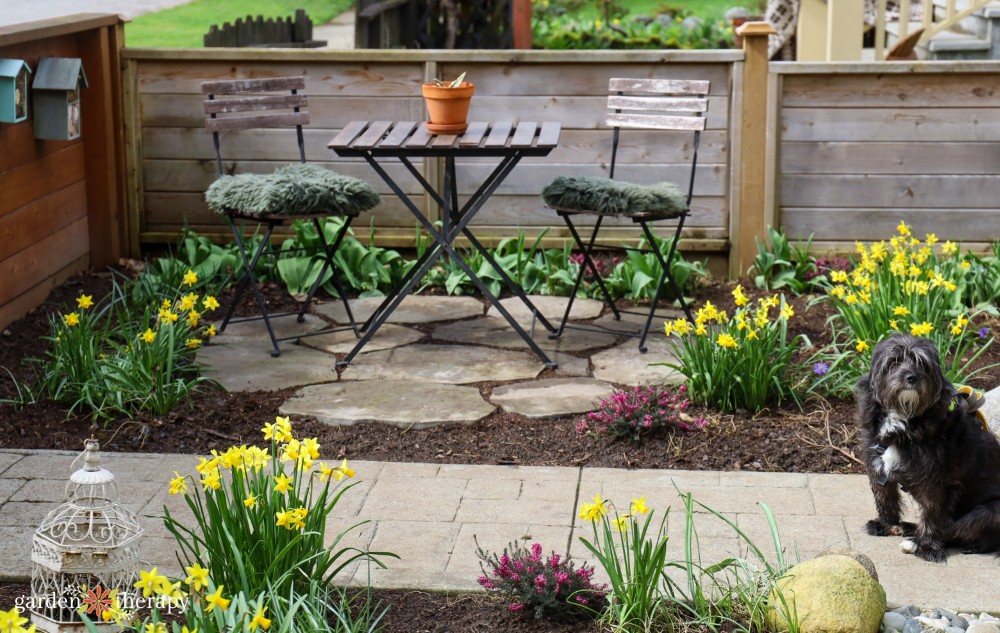
I’ve always entertained friends and family in my garden as well. I prioritize having entertainment areas, as well as gardens that are simple meant to be enjoyed in.
In my new house, my wildflower lawn helped me get to know my neighbours. I would sit in the front patio with my morning coffee, and the wildflower lawn’s beauty helped attract attention, questions, and ultimately a connection with my new neighbours.
Not to mention all the ways that you can build community with fellow gardeners through community gardens, garden clubs, or social media.
Here are a few ways to rethink outdoor spaces as a community builder:
The trick to garden-maxxing is rejecting what previous “maxxing” has tried to instill: you don’t have to be perfect. The garden is a place to relax and reconnect with yourself and those around you. Don’t try to force your garden into submission, but rather let it follow nature’s natural path. And do the same for yourself while you’re at it.
More Gardening Trends to Get Behind

From Vancouver, BC, Holly is Garden Therapy’s Content Manager. She has a BFA in Writing from the University of Victoria as well as a diploma in Floristry Design from Burnaby CCE. At home, she loves to grow cut flowers and dried flowers for her business, Dirty Daisy Florals, and is an avid houseplant collector and lover of bees. You can find her at @dirtydaisyflorals and @hollyheuversocial.
