
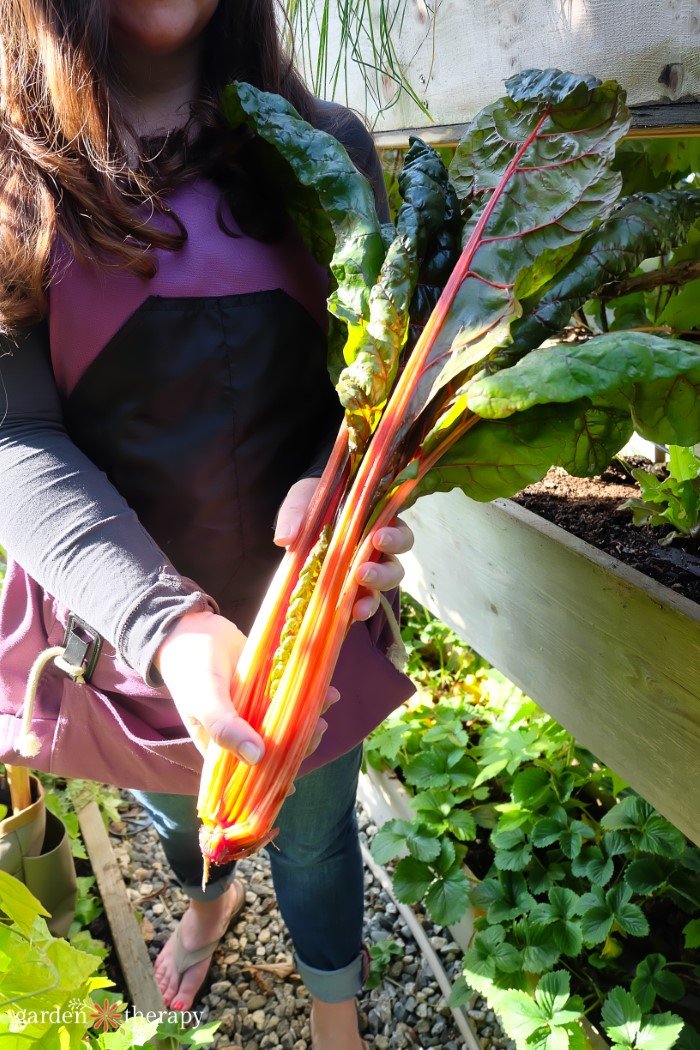
The best time to start a vegetable garden was yesterday. The second-best time is today. To help reduce your grocery bill at home, try growing these vegetables. And as an added bonus, you’ll find yourself eating more flavourful, fresh food.
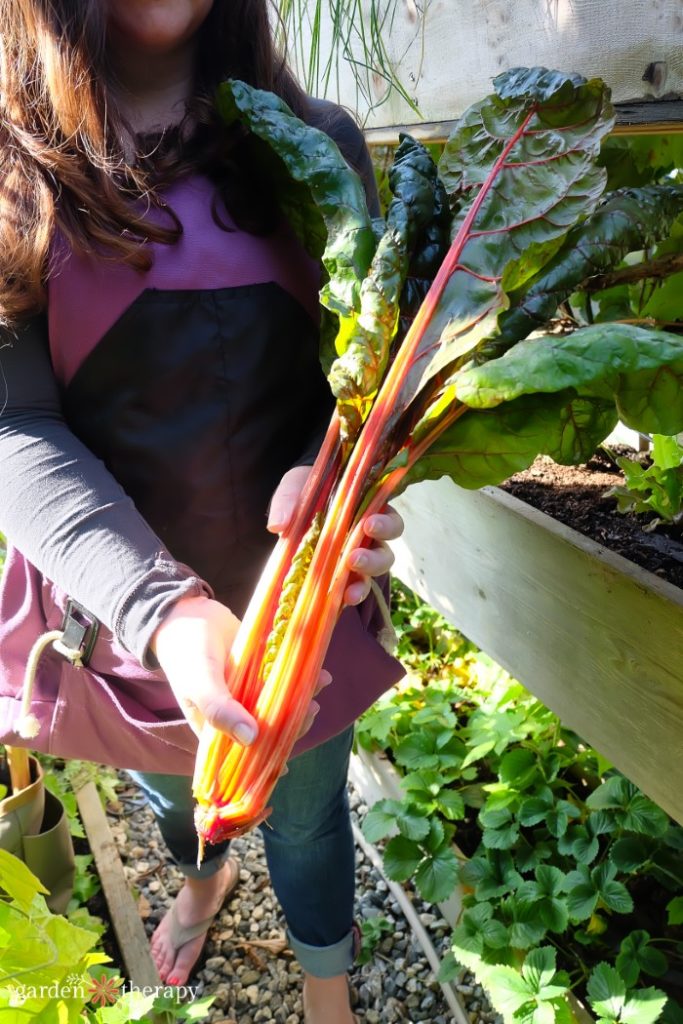
Have you been gobsmacked at the price of something in the grocery store lately? I’ve found myself with my jaw wide open in the produce aisle, putting something back on the shelf simply because the price just wasn’t right.
This feels like a sign of the times, and I know many people are struggling with the rising costs of groceries over the past couple of years.
There’s no better time to grow vegetables in your garden.
Now, there is certainly an expensive way to grow vegetables, by building fancy beds, hauling in soil, and planting all your seeds right at once without reading instructions or even knowing if your area is suited to actually growing them.
That’s not how I suggest anyone starts growing vegetables. First, focus on what you already have, what you can easily and inexpensively acquire, and work with your current gardening conditions rather than against them.
Today, I’m going to share with you a list of some vegetables I think are going to help cut down your grocery bill, and how to set yourself up for lower expenses in the long term.
Inexpensive Vegetables to Grow
A couple of years ago, I wrote an article on what I considered the cheapest vegetables to grow. This is such a nuanced topic, as it really depends on where you live and your personal growing conditions, as well as the availability of space. It got a lot of debate online, which I’m happy to see! Some people have great success with some vegetables, and others, not so much.
That all being said, high-yielding vegetables are great for producing lots from one plant, while speedy vegetables are great for cramming lots into one growing season.
Highest Yield Vegetables
If the goal is to grow plants that produce as much as possible per plant, then you want high-yield vegetables. Some of these require more space than others, so keep this in mind when also thinking of productivity. Another important thing to note is whether it is harvested all at once or whether you need to keep picking for the plant to produce more fruit.
- Potatoes
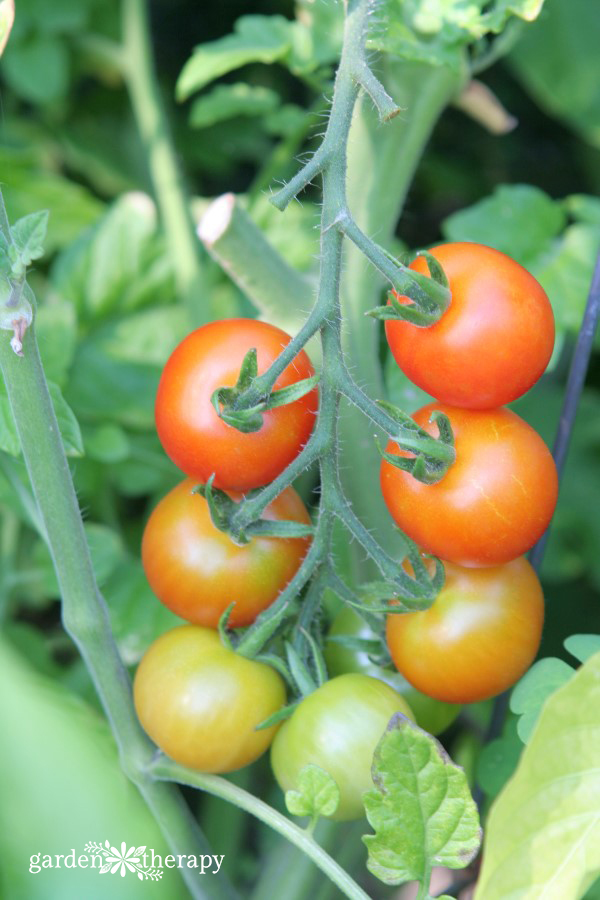
- Tomatoes (especially cherry or grape varieties)
- Zucchini
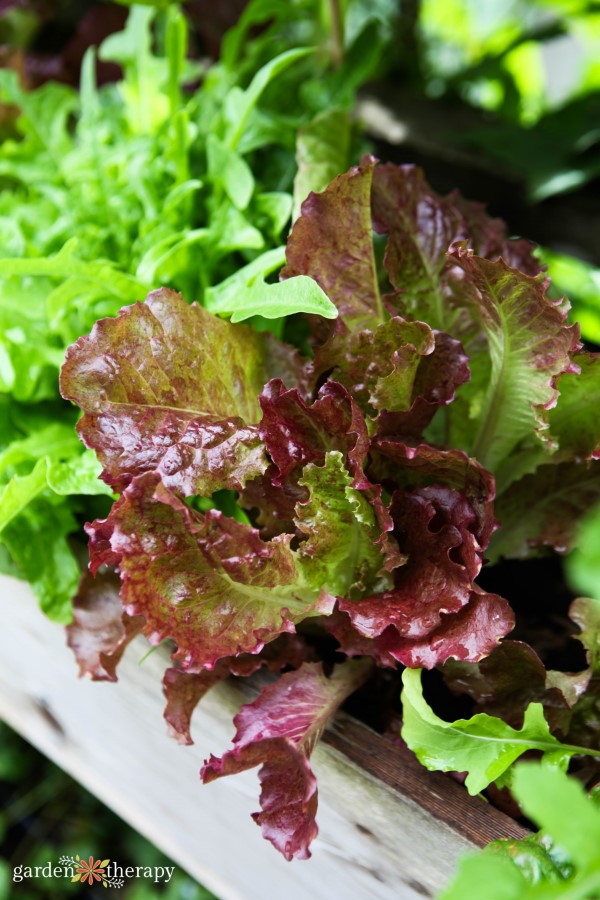
- Leafy greens
- Beans (any kind really! Pole or bush beans will produce more as you pick them)
- Green onions and chives (keeps growing even after you chop them)
- Cucumbers
- Squash
- Peppers (especially shishito)
- Swiss chard
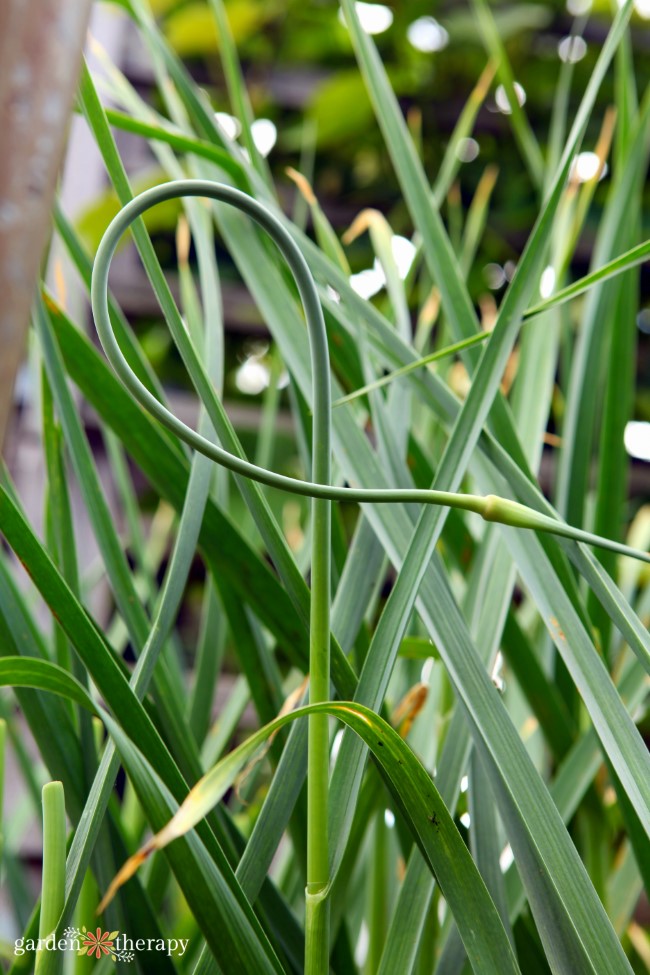
- Garlic (as you can also eat the scapes before harvesting)
Fast-Growing Vegetables
Fast-growing vegetables are wonderful for many reasons. They work well when you have minimal space to work with and need a quick turnaround to produce enough food, and they can be great options at the beginning and end of a season to fill up an empty bed that may have already been harvested.
Some great fast-growing vegetables include:
- Swiss chard
- Radish
- Mizuna
- Tatsoi
- Spinach
- Turnips
- Bush beans
- Baby carrots
- Beet
- Lettuce
- Mustard greens
- Arugula
- Kale
- Spinach
Growing Food Indoors
Growing food doesn’t have to be reserved for just the outdoors. I grow food inside year-round, even when I have vegetables growing in the backyard.
Sprouts and microgreens are one of my favourites, because they take up such little space (very apartment-friendly), are quite inexpensive, and yet have a high nutritional value. Include them in salads, wraps, and sandwiches for an extra crunch.
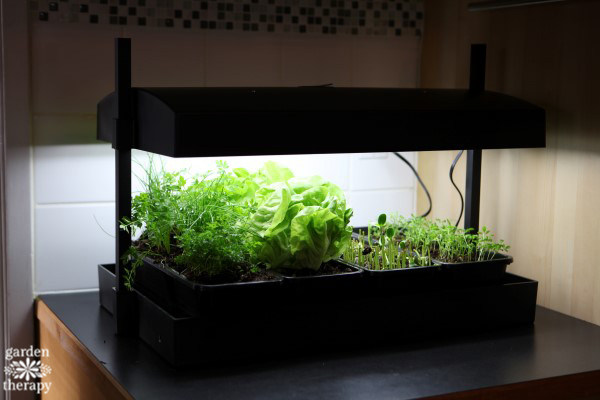
You can also grow herbs inside easily, and it will make a huge difference in your meals once you switch to fresh herbs. If you don’t have a really sunny windowsill, I’d recommend using a countertop grow light set-up.
A small indoor hydroponic system also works great for growing herbs or lettuce indoors year-round. I also love this year-round indoor salad shelf if you’re someone who eats a lot of leafy greens.
Planting Perennials and Fruit Trees
While a large initial investment, perennial vegetables, edible shrubs, and nut or fruit trees produce so much food once they reach maturity. In fact, they’re an essential part of a food forest, which is a backyard design you can implement that focuses on producing as much food as possible.
For me, I think of berries as a high-yield plant that can be very expensive at the grocery store. Raspberry and blueberry bushes, and strawberries will all produce plenty as the plant gets older. And don’t forget about your local berries that you just can’t buy at the grocery store.
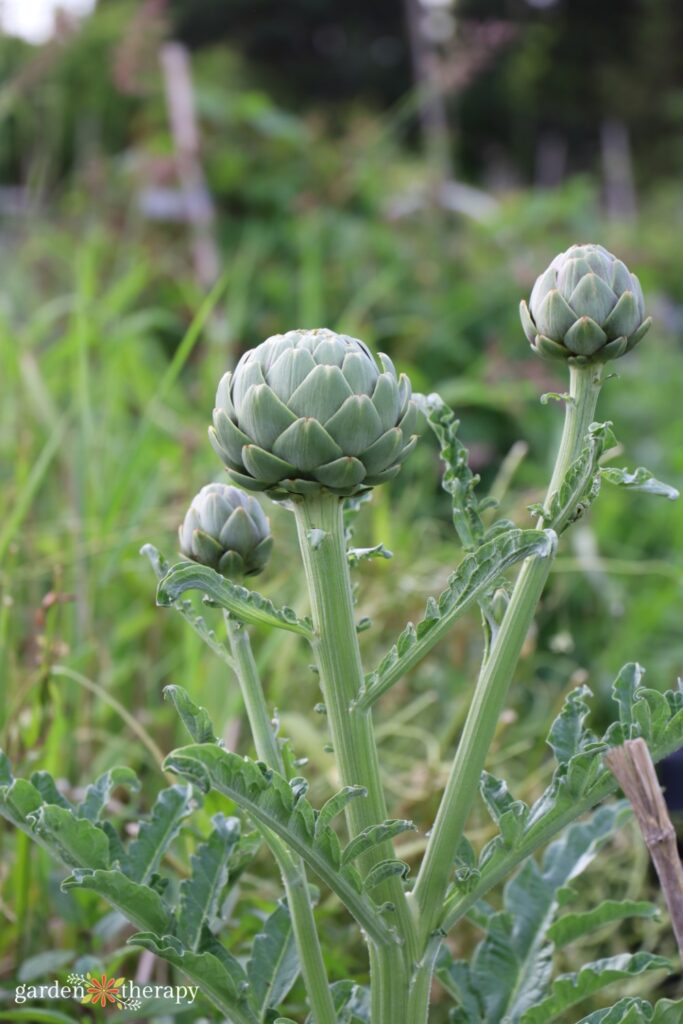
Perennial vegetables such as rhubarb or asparagus will also produce more as they age. While it may take a few seasons before you can harvest, you can buy them inexpensively while they are young plants and reap their larger harvests later on.
Succession Planting and Extending Your Season
The secret to getting plenty of produce in one year is to think beyond the scope of a typical garden. The number one thing you shouldn’t do is plant everything at once. Rather, stagger your plantings so you can spread out your harvest and maximize your square footage. This is known as succession planting, and I have a whole guide to help you with planting times.
Another thing you can do is extend the season by using frost protection. This can be as big and large as a greenhouse, or as simple as fleece cloth or DIY cloches. Some plants are also more frost-resistant and can be planted later in the year for late fall harvesting.
The fall doesn’t have to be the end of the growing season. You can continue to plant and grow plenty of food well within the fall season, and even into the winter if you’re resourceful.
More Guides for Growing More Food

A city girl who learned to garden and it changed everything. Author, artist, Master Gardener. Better living through plants.
